


Language

Yli perustellun epäilyn


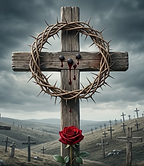


Claiming he is God
Search Results
Hae tältä sivustolta
100 tulosta löytyi tyhjällä haulla
- God Sees Your Ways: Proverbs 5:21 Test | Answers 4 Saints
A simple yes or no test on Proverbs 5:21 and giving an account to God, with verses on judgment and accountability. God Is Watching and listening 1 Timothy 2:12 is the twelfth verse of the second chapter of the First Epistle to Timothy. It is often quoted using the King James Version translation: But I suffer not a woman to teach, nor to usurp authority over the man, but to be in silence. Jumala katselee ja kuuntelee Vastuu » Jokainen antaa itsestään tilin Jumalalle Hebrews 9:27 Ja niinkuin jokaisen ihmisen on määrä kuolla kerran ja sen jälkeen tulee tuomio, Johannes 3:13Kukaan ei ole koskaan mennyt taivaaseen paitsi se, joka tuli taivaasta -Ihmisen Poika. Apostolien teot 2:29 "Israelilaiset, voin varmuudella kertoa teille, että patriarkka Daavid kuoli ja haudattiin, ja hänen hautansa on täällä tähän päivään asti. Matteus 12:36-37 "Mutta minä sanon teille, että jokainen huolimaton sana, jonka ihmiset puhuvat, heidän on annettava siitä tili tuomiopäivänä. "Sillä sanoistasi sinut vanhurskautetaan, ja sanoistasi sinut tuomitaan." Apostolien teot 17:30 "Sen tähden, kun Jumala on jättänyt huomiotta tietämättömyyden ajat, hän julistaa nyt ihmisille, että kaikkien ihmisten tulee kaikkialla katua, Room. 14:12 Niin silloin jokainen meistä tekee itsestään tilin Jumalalle. Jaakob 4:17"Sen tähden sille, joka osaa tehdä hyvää eikä tee sitä, se on syntiä." Hesekiel 3:2 "Jos vanhurskas kääntyy pois vanhurskaudestaan ja tekee vääryyttä, ja minä asetan esteen hänen eteensä, hän kuolee; koska et ole varoittanut häntä, hän kuolee syntiinsä ja vanhurskaisiin tekoihinsa. joita hän on tehnyt, ei muisteta, mutta hänen verensä minä vaadin sinun kädestäsi. Psalmi 32:8 Minä opastan sinua ja opetan sinulle tien, jota sinun tulee kulkea, minä neuvon sinua silmälläni sinussa. Psalmi 33:18 Katso, Herran silmät ovat niissä, jotka pelkäävät häntä, jotka toivovat hänen armoaan korvat ovat auki heidän itkulleen. Sananlaskut 28:9 Jumala inhoaa sellaisen henkilön rukouksia, joka ei piittaa laista. Sananlaskujen 15:2 Viisaan kieli puhuu tietoa, mutta tyhmän suu huutaa hulluutta. 3 Herran silmät ovat joka paikassa, ja ne tarkkailevat pahaa ja hyvää. 4 Rauhoittava kieli on elämän puu, mutta kiero kieli murskaa hengen... Ilmestyskirja 20: Ja minä näin kuolleet, suuret ja pienet, seisomassa valtaistuimen edessä, ja kirjat avattiin; ja avattiin toinen kirja, joka on elämän kirja; ja kuolleet tuomittiin sen perusteella, mikä oli kirjoitettuna kirjoihin, tekojensa mukaan. Heprealaiskirje 11:6 Ja ilman uskoa on mahdoton miellyttää häntä, sillä sen, joka lähestyy Jumalaa, täytyy uskoa, että hän on olemassa ja että hän palkitsee niitä, jotka häntä etsivät.
- Sermon on the Mount Test | Answers 4 Saints
Answer 8 questions on the Beatitudes in Matthew 5 to see if your life matches a true disciple of Yeshua, with a verse by verse study. The Sermon on the Mountain Vuorisaarnan ymmärtäminen Video vuoristosaarnasta The Sermon on the Mountain This final diagnostic test goes directly to the heart of the Sermon on the Mount (Matthew 5:1–12). It strips away the passive, poetic veneer that religion often wraps around the Beatitudes, forcing the reader to look into the mirror of the Messiah's opening words and see if their internal condition matches the exact description of a citizen of His Kingdom. 📋 The "Sermon on the Mount" Internal Alignment Test Instructions: Answer these 8 direct questions based on your true internal state and outward actions to determine if you are bearing the fruit of a true disciple or if you are simply tracking with the crowds. Question 1: Poor in Spirit vs. Self-Sufficient The Master states: "Blessed are the poor in spirit, for theirs is the kingdom of heaven." When you look at your life before Yehovah, what is your true spiritual posture? A) You walk in absolute bankruptcy, fully recognizing your total, desperate need for Yehovah to lead you, guide you, and instruct your every step. B) You are spiritually self-sufficient, relying on your own intellect, human doctrines, or a past prayer, assuming you are "good enough" without a daily, broken dependency on Him. Question 2: Mourning Over Sin vs. Rationalizing Compromise The Master states: "Blessed are those who mourn, for they will be comforted." How do you respond internally when you realize you have violated the Father's commands or fallen into sin? A) You experience deep, heavy sorrow over your transgression, leading you to an immediate, physical turn (repentance) back to His ways so you can find the true comfort of His forgiveness. B) You shrug it off, minimize it, or claim that "grace covers it" without ever feeling genuine grief or making an effort to stop the behavior. Question 3: The Meek vs. The Self-Willed The Master states: "Blessed are the meek, for they will inherit the earth." Meekness is strength under total submission. Who holds the ultimate authority over your time, your money, your diet, and your rest? A) You have fully submitted your neck to Yehovah's yoke. Whatever His Word commands, you do—making Him the absolute Lord over everything you possess. B) You are self-willed. You listen to God's Word only when it matches your existing lifestyle, retaining final veto power over any instruction that requires real sacrifice. Question 4: Hungering for Righteousness vs. Feasting on the World The Master states: "Blessed are those who hunger and thirst for righteousness, for they will be filled." What is the driving passion and deepest hunger of your everyday life? A) You passionately long for the righteousness of Yeshua, consuming His Word daily like food and water, desperate to see His character and His Torah reflected perfectly in your walk. B) You are spiritually full and satisfied with the distractions, entertainment, and material comforts of this world, treating the deeper things of scripture as an occasional snack. Question 5: Merciful vs. Resentful The Master states: "Blessed are the merciful, for they will be shown mercy." When someone wrongs you or falls short, what is your knee-jerk reaction? A) You actively extend forgiveness, kindness, and compassion, remembering the massive debt of sin the Father forgave you, and you sow mercy so you may reap it. B) You hold grudges, keep tabs on offenses, or harbor bitter resentment, expecting the Father to show you unlimited mercy while you refuse to offer it to others. Question 6: Pure in Heart vs. Outward Appearance The Master states: "Blessed are the pure in heart, for they will see Yehovah." Remembering Hebrews 12:14 ("Without holiness, no one will see Yehovah"), what does your life look like when no human being is watching? A) You pursue inward holiness that only Yehovah can see, begging Him to cleanse your hidden motives, your thoughts, and your desires from the inside out. B) You focus entirely on outward appearance. You put on a good show for people at church or online, but your hidden thought life remains uncleaned and full of compromise. Question 7: Peacemakers vs. Divide-and-Conquer The Master states: "Blessed are the peacemakers, for they will be called sons of Yehovah." How do you handle the ministry of reconciliation (2 Corinthians 5:19–20)? A) Having been reconciled to the Father through Yeshua, you actively bring that exact message of truth, repentance, and restored covenant fellowship to the people around you. B) You cause division, spread gossip, or remain completely silent about the Messiah, leaving the people in your life disconnected from the only source of true peace. Question 8: Persecuted for Righteousness vs. Hiding the Light The Master states: "Blessed are those who are persecuted because of righteousness... Blessed are you when people insult you... because of me." What happens when your obedience to scripture causes friction with family, friends, or the culture? A) You dare to openly live exactly as Yeshua lived, counting it a joy and a privilege to face insults, exclusion, or false accusations for the sake of His name and His truth. B) You hide your faith, adjust your language, or compromise on the commandments to blend in, ensuring you never face discomfort, social rejection, or pushback from the world. The Kingdom Verdict: Look back over the eight boxes you checked. If the answers land consistently on B, the mirror reveals a sobering truth: The crowd followed Yeshua for the miracles, but only the disciples climbed the mountain to live by His words. You cannot inherit the Kingdom of Heaven if you reject the internal alignment required of its citizens . The Beatitudes are not a list of optional suggestions; they are the baseline character of the remnant. To claim to follow the Messiah while refusing to walk in His meekness, His purity, and His willingness to suffer for righteousness is to remain outside the gate. The choice to step onto the mountain and obey is yours today. Matthew 5:3-12 By Mary Fairchild The Beatitudes give us a picture of a true disciple of God . Blessed are the poor in spirit, for theirs, is the kingdom of heaven. The phrase "poor in spirit" speaks of a spiritual condition of poverty. It describes the person who recognizes his or her need for Yehovah. "The kingdom of heaven" refers to people who acknowledge Yehovah as King. Paraphrase: "Blessed are those who humbly recognize their need for Yehovah, for they will enter into his kingdom." Blessed are those who mourn, for they will be comforted. "Those who mourn" speaks of those who express deep sorrow over sin and repent for their sins. The freedom found in forgiveness of sin and the joy of eternal salvation is the "comfort" of those who repent. Paraphrase: "Blessed are those who mourn for their sins, for they shall receive forgiveness and life eternal." Blessed are the meek, for they will inherit the earth. Similar to "the poor," "the meek" are those who submit to Yehovah’s authority and make Him Lord. Revelation 21:7 says Yehovah’s children will "inherit all things." Paraphrase: "Blessed are those who submit to Yehovah as Lord, for they will inherit everything he possesses." Blessed are those who hunger and thirst for righteousness, for they will be filled. "Hunger" and "thirst" speak of deep need and driving passion. This "righteousness" refers to Yeshua Messiah. To "be filled" is the satisfaction of our soul's desire. Paraphrase: "Blessed are those who passionately long for Christ, for he will satisfy their souls." Blessed are the merciful, for they will be shown mercy. We reap what we sow. Those who demonstrate mercy will receive mercy. Likewise, those who have received great mercy will show great mercy. Mercy is shown through forgiveness, kindness, and compassion toward others. Paraphrase: "Blessed are those who show mercy through forgiveness, kindness, and compassion, for they will receive mercy." Blessed are the pure in heart, for they will see Yehovah. The "pure in heart" are those who have been cleansed from within. This is not outward righteousness that can be seen by men, but inward holiness that only Yehovah can see. The Bible says in Hebrews 12:14 that without holiness, no one will see Yehovah. Paraphrase: "Blessed are those who have been purified from the inside out, being made clean and holy, for they will see Yehovah." Blessed are the peacemakers, for they will be called sons of Yehovah. The The Bible says we have peace with Yehovah through Yeshua Messiah. Reconciliation through Christ brings restored fellowship (peace) with Yehovah. 2 Corinthians 5:19-20 says Yehovah entrusts us with this same message of reconciliation to take to others. Paraphrase: "Blessed are those who have been reconciled to Yehovah through Yeshua Messiah and bring this same message of reconciliation to others. All who have peace with Yehovah are his children." Blessed are those who are persecuted because of righteousness, for theirs is the kingdom of heaven. Just as Yeshua faced persecution, so will his followers. Those who endure by faith rather than hide their faith to avoid persecution are genuine followers of Yeshua. Paraphrase: " Blessed are those daring enough to openly live as and for Yeshua and suffer persecution, for they will receive the kingdom of heaven."Blessed are you when people insult you, persecute you, and falsely say all kinds of evil against you because of me. Rejoice and be glad, because great is your reward in heaven, for in the same way they persecuted the prophets who were before you. Matthew 5:11
- Saints or the Lawless? A Bible Test | Answers 4 Saints
Take a 4 question test on Revelation 14:12 and 1 John 3:10 to see whether your life matches a saint or the lawless. Child of God or a child of the Devil The new religion EVERY SINGLE WORD in the Bible deserves our highest regard and careful obedience. Scripture isn't a collection of suggestions or optional wisdom —it's God-breathed, profitable for teaching, correcting, and guiding us in righteousness (as 2 Timothy 3:16 puts it). We should hold each word in reverence and commit to following it fully, letting it shape how we live, speak, and love others. Rakastatko Jumalaa? What does God’s word actually say about this —plainly, without my spin?” It’s easier to justify than to submit. It’s more comfortable to reinterpret than to repent. (James 1:23–25). Scripture splits humanity into two distinct categories based on their relationship to God and His commandments. If God calls His covenant-keeping people saints (those set apart), He refers to the others as: 1. The Lawless (or Wicked) In the New Testament, Yeshua and the Apostles frequently contrast the saints with those who live without regard for God's instructions. The Greek term: Anomia (literally "without law" or "violating the law"). The Warning: I n Matthew 7:23, Yeshua warns those who claim to know Him but ignore the commandments: "Depart from Me, you who practice lawlessness!" 2. The Unjust (or Unrighteous) The Bible repeatedly contrasts the two groups when discussing judgment. The Contrast: In 1 Corinthians 6:1, Paul asks why a believer would take a matter before the unjust rather than before the saints. The Destiny : 2 Peter 2:9 states that God knows how to deliver the godly, but keeps the unjust under punishment for the day of judgment. 3. The Children of Disobedience (or Children of the Devil) When addressing who rules a person's life and actions, Scripture uses family terms. The Actions : Ephesians 2:2 speaks of the spirit that works in the children of disobedience. The Definition: 1 John 3:10 draws the line clearly: "In this the children of God and the children of the devil are manifest: Whoever does not practice righteousness [keeping the commandments] is not of God." The Definitive Verse: Revelation 14:12 identifies the first group perfectly: "Here is the patience of the saints; here are those who keep the commandments of God and the faith of Yeshua." By biblical definition, anyone outside of that description falls into the category of the lawless, the unjust, or the disobedient. This diagnostic test uses the final book of scripture to draw a line in the sand. It forces you to look at the two distinct categories of humanity established by the Creator, using Revelation 14:12 as the ultimate boundary marker. 📋 The "Saints vs. The Lawless" Definitive Boundary Test Instructions: Answer these 4 direct questions to determine which biblical category your daily life, your habits, and your theology place you in. Question 1: The Mark of a Saint In Revelation 14:12, the scripture gives a precise, two-part definition of a saint: "Here are those who keep the commandments of God and the faith of Yeshua." Based on this verse, how do you define your identity? A) A Saint (Set-Apart). You recognize that true faith in the Messiah is inseparable from a physical walk of keeping the Father's Torah. Your life displays both parts: total trust in Yeshua and meticulous care for His instructions. B) A Cultural Believer. You claim to have "faith in Jesus," but you believe His commandments are obsolete or optional, cutting the verse in half and choosing a path that scripture defines as incomplete. Question 2: The Practice of Anomia (Lawlessness) In Matthew 7:23, the Master issues a terrifying warning to people who fully believed they were in the Kingdom: "Depart from Me, you who practice lawlessness (anomia—living without regard for God's law)." When you examine your lifestyle, do you treat the Torah as active law? A) You Reject Lawlessness. You actively study the Torah to identify sin so you can completely purge it from your actions, treating His rest days, dietary boundaries, and moral laws as non-negotiable. B) You Practice Anomia. You live your life based on church traditions, personal feelings, or cultural convenience, considering yourself exempt from the physical laws of God under the guise of "grace." Question 3: The Fruit of Righteousness vs. Disobedience According to 1 John 3:10, the line between the children of God and the children of the devil is stark: "Whoever does not practice righteousness [keeping the commandments] is not of God." When the Father looks at your daily practice, what family lineage does it reveal? A) A Child of God. Your regular, daily practice is righteousness. You actively obey the Father's voice, making your spiritual DNA obvious through visible, physical fruits of obedience. B) A Child of Disobedience. Your daily practice matches the world's standard. You follow the crowd, ignore the biblical calendar, eat what the world eats, and shrug off the lifestyle of Yeshua, aligning with the spirit described in Ephesians 2:2. Question 4: The Courtroom of the Unjust In 1 Corinthians 6:1, Paul rebukes believers for seeking judgment and direction from the "unjust" (unrighteous) rather than from the saints. When you seek wisdom, direction, or validation for how you live, where do you go? A) The Royal Law. You turn strictly to the unchanging Word of God and the example of Yeshua, using the standard of the saints to settle how you walk. B) The Standard of the World. You look to the theological systems of the modern world, human consensus, or comfortable sermons that tell you exactly what your itching ears want to hear, relying on an unjust standard. The Definitive Verdict: Review where your checked boxes land. Scripture leaves zero room for a third option, a middle ground, or a gray area. If your choices consistently land on B, the mirror exposes a vital reality: By biblical definition, anyone who does not keep the commandments of God and the faith of Yeshua falls directly into the category of the lawless, the unjust, or the disobedient. True faith is not a mental concept or a verbal claim—it is a physical lifestyle. If you want to be counted among the saints who endure with patience, you must abandon the broad road of anomia today and begin walking exactly as Yeshua walked. , Jehovan lapsi Tai paholaisen lapsi. Sillä ne, joita Jumalan Henki johtaa, ovat Jumalan lapsia. Jesaja 61:1 Elämän tarkoitus? Ja tämä on tapa saada iankaikkinen elämä – tuntea sinut, ainoa tosi Jumala, ja Yeshua-messiaan, jonka lähetit maan päälle. Johannes 17:3 Kaiken tämän jälkeen on vain yksi asia sanottavana: kunnioita Jumalaa ja noudata Hänen käskyjään, koska vain tätä varten meidät on luotu, tämä on jokaisen velvollisuus. Saarnaaja 12:13 Mikä on syntinen? Jokainen, joka tekee syntiä, rikkoo Jumalan lakia, koska synti on sama kuin Jumalan lain rikkominen. 1 Joh 3:4 Se, joka tekee syntiä, on perkeleestä, 1 Joh 3:8 Jumala inhoaa sellaisen henkilön rukouksia, joka jättää huomiotta lain. Sananlaskut 28:9 Kaikki valehtelijat löytävät itsensä palavasta rikkijärvestä. Tämä on toinen kuolema." Ilmestyskirja 21:8 Sinun täytyy olla perusteltu . Sillä eivät lain kuulijat ole vanhurskaita Jumalan edessä, vaan lain noudattajat tulevat vanhurskaaksi. Roomalaisille 2:13 Sinun täytyy tehdä parannus En ole tullut kutsumaan niitä, jotka luulevat olevansa vanhurskaita, vaan niitä, jotka tietävät olevansa syntisiä ja heidän on tehtävä parannus." Luukas 5:32 Sinun täytyy olla vanhurskas Rakkaat lapset, älkää antako kenenkään pettää teitä tässä. Kun ihmiset tekevät sitä, mikä on oikein, se osoittaa, että he ovat vanhurskaita, kuten Kristus on vanhurskas. 8 Mutta kun ihmiset tekevät syntiä, se osoittaa, että he ovat perkeleen omaa, 1Joh 3:7 Minä olen tullut kutsumatta ne, jotka luulevat olevansa vanhurskaita, mutta ne, jotka tietävät olevansa syntisiä ja heidän on tehtävä parannus. "Luukas 5:32 Jokaisen vanhemman velvollisuus? Nämä sanat, jotka minä käsken sinua tänään, ovat sydämessäsi. 7 "Opeta ne ahkerasti pojillesi ja puhu niistä, kun istut talossasi ja kuljet tiellä, kun makaat ja nouset ylös. 8 "Sino ne merkiksi kätees, ja ne olkoot otsassasi kuin olkapäät. 9 "Kirjoita ne talosi pylväisiin ja porttiisi. Mooseksen kirja 6:4-9 Kaikkien täytyy syntyä uudelleen Jokainen Jumalasta syntynyt kieltäytyy harjoittamasta syntiä, koska Jumalan siemen pysyy hänessä; hän ei voi jatkaa syntiä, koska hän on syntynyt Jumalasta. 10 Tällä erotetaan Jumalan lapset perkeleen lapsista: Kukaan, joka ei tee vanhurskautta, ei ole Jumalasta, eikä se, joka ei rakasta veljeään. 1Joh.3:9 Mitä sinulle tapahtuu, kun kuolet? Jokaisen täytyy kuolla kerran, ja sen jälkeen tulla Jumalan tuomitsemaksi, Heprealaiskirje 9:27 Usko on Raamatussa määritelty seuraavasti: Usko on: uskoa, että kaikki, mitä Jumala sanoi, on totta, sitoutuminen noudattamaan sitä, mitä se sanoo, ja sitten tehdä sen, mitä Sana sanoo. Toisin sanoen uskominen/luottamus, sitoutuminen tottelemaan tai tekemään, ja sitten tottelemisen/tekemisen toiminta. Toinen tapa sanoa se on: Usko on Jumalaan ja Hänen Sanaansa uskomista, sitoutumista ja luottamista. Koko ihmiskunta on "lain alla" (synnin ja kuoleman laki), kunnes he tekevät liiton uskon kautta Messiaaseen ja saavat pelastuksen armosta tämän uskon kautta. Jumalan lapset uskon kautta 23 Ennen kuin uskon tie Kristukseen oli meidän käytettävissämme, meidät asetettiin lain vartioimaan. Meitä pidettiin niin sanotusti suojassa, kunnes uskon tie paljastettiin. 24 Sanon asian toisin. Laki oli meidän vartijamme, kunnes Kristus tuli; se suojeli meitä, kunnes voimme tulla vanhurskaaksi Jumalan edessä uskon kautta. 25 Ja nyt, kun uskon tie on tullut, emme enää tarvitse lakia suojelijaksemme. 26 Sillä te olette kaikki Jumalan lapsia uskon kautta Kristukseen Jeesukseen. 27 Ja kaikki, jotka ovat liittyneet Kristukseen kasteessa, ovat pukeneet Kristuksen päälleen, niinkuin pukeneet yllensä uudet vaatteet' 28 Ei ole enää juutalaista tai pakanallista orjaa tai vapaata, miestä ja naista. Sillä te kaikki olette yhtä Kristuksessa Jeesuksessa. 29 Ja nyt kun kuulutte Kristukselle, olette Abrahamin todellisia lapsia. Te olette hänen perillisiä, ja Jumalan lupaus Abrahamille kuuluu teille. Meidän tapa pelastua on uskoa, että olemme tehneet syntiä ja ansaitsemme kuoleman, koska Sana sanoo niin. Joh 3:3 Jeesus vastasi: "Totisesti minä sanon teille: ellet synny uudesti, et voi nähdä Jehovan valtakuntaa." Apostolien teot 2:38 Pietari vastasi: "Jokaisen teistä tulee katua syntejään ja kääntyä Jehovan puoleen ja mennä kastetulle Yeshua Messiaan nimeen syntienne anteeksisaamiseksi. Silloin saat Pyhän Hengen lahjan. Sananlaskut 28:9 Joka käänsi korvansa pois kuulemasta lakia, hänen rukouksensa on kauhistus. Saarnaaja 12:13 Siinä koko tarina. Tässä on nyt johtopäätökseni: Pelkää Jehovaa ja tottele Hänen käskyjään, sillä se on jokaisen velvollisuus. Galatians 3:28 Ei ole enää juutalaista eikä pakanaa, orjaa tai vapaata, miestä eikä naista. Sillä te kaikki olette yhtä Kristuksessa Jeshuassa. Jaakob 1:22 Mutta älä vain kuuntele Jehovan sanaa. Sinun on tehtävä mitä siinä sanotaan. Muuten huijaat vain itseäsi. "Silloin Jehova sanoi minulle: huuda viesti! Älä pidättele. Sano kansalleni Israelille: Sinä olet tehnyt syntiä! Olet kääntynyt Jehovaa, Jumalaasi vastaan. Jesaja 58:1 "Kun kerrot heille kaiken tämän, älä odota heidän kuuntelevan. Huuda varoituksistasi, mutta älä odota heidän vastaavan. Sano heille: 'Tämä on kansa, jonka kansa ei tottele. Herra, heidän Jumalansa ja jotka kieltäytyvät saamasta opetusta. (Jeramia 7:27) (Tämä on paholaisen lapsi) Sillä Jumala on Henki, joten niiden, jotka häntä rukoilevat, tulee rukoilla hengessä ja totuudessa. "Joh 4:24 Esittäkää ruumiinne elävänä, pyhänä ja Jumalalle otollisena uhrina, mikä on teidän hengellinen palvontanne. Roomalaiskirje 12:1-2 Totuus on Jumalan Toora Sinua täytyy ohjata Henki Gal 5:18
- Deflections | Answers 4 Saints
Paul told us to test all things to see if they are from God. Do the teachings you hear include His law? Test them against Scripture. Deflections are the Greatest sin The shortest verse in the English Bible is "Jesus wept" found in John 11:35. It has only 10 letters and two words. In Luke, Jesus weeps (eklausen, meaning to sob aloud) as he enters Jerusalem. He grieves because the people rejected his offer of peace, refused to turn to God, and would soon face destruction as a consequence. In short, the devil's deflection on Matthew 5:18–19 works by convincing people that taking Yeshua’s exact words seriously is somehow a violation of his grace. It redirects the mind from humble obedience to theological technicalities that excuse setting aside the commands. Matthew 17-19 17 Do not think that I have come to abolish the Law or the Prophets. I have not come to abolish them, but to fulfill them. 18 For I tell you truly, until heaven and earth pass away, not a single jot, not a stroke of a pen, will disappear from the Law until everything is accomplished. 19 So then, whoever breaks one of the least of these commandments and teaches others to do likewise will be called least in the kingdom of heaven; but whoever practices and teaches them will be called great in the kingdom of heaven.… Prof the law was fulfilled by Yeshua: He was the only person in the entire Bible that never sinned, He showed us how to love Yehovah the creator ,He showed how to love our fellow man , He show us how to keep the Sabbath Holy, He never ate anything unclean, and He always kept all of Yehovah appointed . "It is easy to claim the name of Christ, but true discipleship is shown through obedience. Many claim to follow Him while actively living against everything He commanded." John 3:36 ("whoever does not obey the Son shall not see life, but the wrath of God remains on him") I have not come to abolish them , 1 John 3:8, which states that "whoever makes a practice of sinning is of the devil". Ecclesiastes 12:13 –– "Fear God and keep His commandments, for this is man’s all. Proverbs 28:9: " He that turneth away his ear from hearing the law, even his prayer shall be abomination. 1 John 2:4, w hich says: "Whoever says 'I know him' but does not keep his commandments is a liar, and the truth is not in that person." John 14:15 "If you love me, you will keep my commandments" Matthew 19:17 , "If you want to enter life, keep the commandments". Revelation 12:17. The text states that the dragon (identified as the devil and Satan) was angry with the woman and went to make war with the rest of her offspring—defined as those who keep God's commandments Revelation 13:7 , which states that the beast empowered by the dragon was allowed "to make war with the saints, and to overcome will be called least in the kingdom of heaven; Luke 7: 28 I tell you, among those born of women there is no one greater than John; yet the one who is least in the kingdom of God is greater than he.” Matthew 11:11 Verily I say unto you, among them that are born of women, there hath not risen a greater than John the Baptist; notwithstanding, he that is least in the Kingdom of Heaven is greater than he. (Because no one on earth has been to heaven ) The Core Connection When people deflect Scripture, they usually do not burn the Bible; instead, they remove the commands they find uncomfortable by declaring them "least" or obsolete, or they add human loopholes to bypass God's true intent (as Yeshua rebuked in Mark 7:9–13). Matthew 5:18–19 makes clear that in God's eyes, even what humans consider "least" remains fully binding. Below are the primary biblical passages that explicitly prohibit adding to, taking away from, or modifying God's word and commandments: Here is the complete, unified breakdown bringing together every point—from altering words, names, and titles to adopting pagan holidays, eating unclean, rejecting God's appointments, and profaning the Sabbath—and the explicit judgments Scripture attaches to them. The Deflection: Weaponizing Grace The core deception pits Yeshua’s salvation against his instructions—tricking believers into viewing obedience as "legalism" rather than the natural fruit of love. 1. Redefining "Fulfill" (Matt. 5:17) The Trick: Treating "fulfill" as "terminate and throw away." The Reality: In first-century Hebrew idiom, to fulfill meant to correctly interpret and live out the Torah's full intent. Yeshua came to demonstrate how to keep it, not to dismiss it. 2. False Dichotomy: "Love vs. Rules" The Trick : Framing commands as rigid legalism and "love" as abstract freedom. The Reality: Yeshua defined love through action: "If you love me, keep my commands" (John 14:15). The commands define what love looks like in practice. 3. Perverting Grace The Trick : Rebranding grace as an excuse for apathy toward God's standards. The Reality: Grace is divine empowerment (Titus 2:11–12). It cleanses the past and transforms the heart so obedience becomes a joy. 4. Theological Loopholes The Trick: Using complex technicalities to bypass Matthew 5:18–19. The Reality: It creates a state where people cite treatises to excuse setting aside the very commands Yeshua warned never to relax. The Ultimate Irony: It turns distrust of Yeshua's direct words into a false badge of "spiritual maturity," making people feel enlightened precisely because they have explained away the Sermon on the Mount. The Deflection: Weaponizing Grace The core deception pits Yeshua’s salvation against his instructions—tricking believers into viewing obedience as "legalism" rather than the natural fruit of love. 1. Redefining "Fulfill" (Matt. 5:17) The Trick: Treating "fulfill" as "terminate and throw away." The Reality: In first-century Hebrew idiom, to fulfill meant to correctly interpret and live out the Torah's full intent. Yeshua came to demonstrate how to keep it, not to dismiss it. 2. False Dichotomy: "Love vs. Rules" The Trick: Framing commands as rigid legalism and "love" as abstract freedom. The Reality: Yeshua defined love through action: "If you love me, keep my commands" (John 14:15). The commands define what love looks like in practice. 3. Perverting Grace The Trick : Rebranding grace as an excuse for apathy toward God's standards. The Reality: Grace is divine empowerment (Titus 2:11–12). It cleanses the past and transforms the heart so obedience becomes a joy. 4. Theological Loopholes The Trick: Using complex technicalities to bypass Matthew 5:18–19. The Reality: It creates a state where people cite treatises to excuse setting aside the very commands Yeshua warned never to relax. The Ultimate Irony: It turns distrust of Yeshua's direct words into a false badge of "spiritual maturity," making people feel enlightened precisely because they have explained away the Sermon on the Mount. 1. Altering God's Word & Loss of Eternal Life Directly modifying, taking away from, or adding human commentary to the text forfeits access to eternal inheritance: Revelation 22:18–19 "If anyone adds anything to them, God will add to that person the plagues described in this scroll. And if anyone takes words away from this scroll... God will take away from that person any share in the tree of life and in the Holy City..." The Judgment: Direct assignment of written plagues and removal of one's name/share from the Tree of Life and the Heavenly City. 2. Deception, Changing Truth, and the Lake of Fire Creating false doctrines, fabricating traditions, or distorting scriptural facts places a person under the category of deception: Revelation 21:8 & Proverbs 30:6 "...and all liars—they will be consigned to the fiery lake of burning sulfur... Do not add to his words, or he will rebuke you and prove you a liar." The Judgment: Divine rebuke, public exposure as a deceiver, and final condemnation in the Lake of Fire alongside those who reject God's authority. 3. Profaning and Substituting the Sacred Names Erasing, changing, or replacing the covenant name Yehovah (יְהוָה) or the redemptive name Yeshua (יֵשׁוُעַ) with human alternatives violates the core command regarding His identity: Exodus 20:7 & Jeremiah 23:26–27 "You shall not take the name of the Lord [Yehovah] your God in vain, for the Lord will not hold him guiltless... who try to make My people forget My name..." The Judgment: Being held guilty before the heavenly court and suffering spiritual blindness for lowering His divine identity to human tradition. 4. Adopting Pagan Holidays & Mixing Worship Customs Importing pagan customs, celebrations, and cultural holidays into the worship of the Creator is explicitly condemned as adding to His word: Deuteronomy 12:30–32 "Be careful not to be ensnared... saying, 'How do these nations serve their gods? We will do likewise.' You must not worship the Lord your God in their way... do not add to it or take away from it." The Judgment: Falling into spiritual entrapment and practicing what God classifies as a detestable abomination. 5. Eating Unclean Things & Rejecting Purity Instructions Dismissing God's dietary laws in favor of personal appetite or cultural preference is identified as active rebellion against His sanctification: Isaiah 66:15–17 "For behold, the Lord will come with fire... Those who sanctify themselves... eating swine’s flesh and the abomination and the mouse, shall be consumed together, says the Lord." The Judgment: Facing direct destruction alongside the lawless at the return of the Lord. 6. Rejecting God's Appointed Times (Moedim) Substituting man-made religious calendars and holidays for the eternal appointed feasts listed in Leviticus 23 leads to divine abandonment: Leviticus 23:2, 14 & Hosea 2:11 "The appointed times of the Lord... shall be a statute forever... I will also cause all her mirth to cease, her feast days, her New Moons, her Sabbaths, and all her appointed feasts." The Judgment: Withdrawal of true spiritual insight, leaving individuals in empty, powerless religious ritual. 7. Profaning the Seventh-Day Sabbath Setting aside, altering, or declaring God's holy Sabbath done away with is highlighted as a primary trigger for divine wrath: Ezekiel 22:26, 31 "Her priests have violated My law... they have hidden their eyes from My Sabbaths, so that I am profaned among them... Therefore I have poured out My indignation on them; I have consumed them with the fire of My wrath." The Judgment: Complete loss of God's presence, exposure to spiritual deception, and direct divine indignation. Here is the complete, unified breakdown bringing together every point—from altering words, names, and titles to adopting pagan holidays, eating unclean, rejecting God's appointments, and profaning the Sabbath—and the explicit judgments Scripture attaches to them. 1. Altering God's Word & Loss of Eternal Life Directly modifying, taking away from, or adding human commentary to the text forfeits access to eternal inheritance: Revelation 22:18–19 "If anyone adds anything to them, God will add to that person the plagues described in this scroll. And if anyone takes words away from this scroll... God will take away from that person any share in the tree of life and in the Holy City..." The Judgment: Direct assignment of written plagues and removal of one's name/share from the Tree of Life and the Heavenly City. 2. Deception, Changing Truth, and the Lake of Fire Creating false doctrines, fabricating traditions, or distorting scriptural facts places a person under the category of deception: Revelation 21:8 & Proverbs 30:6 "...and all liars—they will be consigned to the fiery lake of burning sulfur... Do not add to his words, or he will rebuke you and prove you a liar." The Judgment: Divine rebuke, public exposure as a deceiver, and final condemnation in the Lake of Fire alongside those who reject God's authority. 3. Profaning and Substituting the Sacred Names Erasing, changing, or replacing the covenant name Yehovah (יְהוָה) or the redemptive name Yeshua (יֵשׁוُעַ) with human alternatives violates the core command regarding His identity: Exodus 20:7 & Jeremiah 23:26–27 "You shall not take the name of the Lord [Yehovah] your God in vain, for the Lord will not hold him guiltless... who try to make My people forget My name..." The Judgment: Being held guilty before the heavenly court and suffering spiritual blindness for lowering His divine identity to human tradition. 4. Adopting Pagan Holidays & Mixing Worship Customs Importing pagan customs, celebrations, and cultural holidays into the worship of the Creator is explicitly condemned as adding to His word: Deuteronomy 12:30–32 "Be careful not to be ensnared... saying, 'How do these nations serve their gods? We will do likewise.' You must not worship the Lord your God in their way... do not add to it or take away from it." The Judgment: Falling into spiritual entrapment and practicing what God classifies as a detestable abomination. 5. Eating Unclean Things & Rejecting Purity Instructions Dismissing God's dietary laws in favor of personal appetite or cultural preference is identified as active rebellion against His sanctification: Isaiah 66:15–17 "For behold, the Lord will come with fire... Those who sanctify themselves... eating swine’s flesh and the abomination and the mouse, shall be consumed together, says the Lord." The Judgment: Facing direct destruction alongside the lawless at the return of the Lord. 6. Rejecting God's Appointed Times (Moedim) Substituting man-made religious calendars and holidays for the eternal appointed feasts listed in Leviticus 23 leads to divine abandonment: Leviticus 23:2, 14 & Hosea 2:11 "The appointed times of the Lord... shall be a statute forever... I will also cause all her mirth to cease, her feast days, her New Moons, her Sabbaths, and all her appointed feasts." The Judgment: Withdrawal of true spiritual insight, leaving individuals in empty, powerless religious ritual. 7. Profaning the Seventh-Day Sabbath Setting aside, altering, or declaring God's holy Sabbath done away with is highlighted as a primary trigger for divine wrath: Ezekiel 22:26, 31 "Her priests have violated My law... they have hidden their eyes from My Sabbaths, so that I am profaned among them... Therefore I have poured out My indignation on them; I have consumed them with the fire of My wrath." The Judgment: Complete loss of God's presence, exposure to spiritual deception, and direct divine indignation. 1. Deuteronomy 4:2 (NKJV) "You shall not add to the word which I command you, nor take from it, that you may keep the commandments of the Lord your God which I command you." 2. Deuteronomy 12:32 (NKJV) "Whatever I command you, be careful to observe it; you shall not add to it nor take away from it." 3. Proverbs 30:5–6 (NKJV) 5 "Every word of God is pure; He is a shield to those who put their trust in Him." 6 "Do not add to His words, lest He rebuke you, and you be found a liar." 4. Matthew 5:18–19 (NKJV, modified) 18 "For assuredly, I say to you, till heaven and earth pass away, one jot or one tittle will by no means pass from the law till all is fulfilled." 19 "Whoever therefore breaks one of the least of these commandments, and teaches men so, shall be called least in the kingdom of heaven; but whoever does and teaches them, he shall be called great in the kingdom of heaven." 5. Revelation 22:18–19 (NKJV) 18 "For I testify to everyone who hears the words of the prophecy of this book: If anyone adds to these things, God will add to him the plagues that are written in this book;" 19 "and if anyone takes away from the words of the book of this prophecy, God shall take away his part from the Book of Life, from the holy city, and from the things which are written in this book." Actions & Consequences Deuteronomy 4:2 & 12:32 Adding to or taking away from divine decrees Inability to truly keep the Lord’s commandments Proverbs 30:6 Adding human thoughts or rules to God's words Divine rebuke and being found a liar Matthew 5:19 Loosening or removing the "least" command Called least in the kingdom of heaven Revelation 22:18–19 Adding to or removing text from prophetic revelation Receiving the plagues written in the book; removal from the Book of Life Jeremiah 26:2: The Command to Declare the Whole Word Without Diminishing It In Jeremiah 26:2, God explicitly commands the prophet Jeremiah to speak His message in its entirety, warning him against holding back or softening a single word to accommodate human sensitivities. Jeremiah 26:2 (NKJV) "Thus says the LORD: 'Stand in the court of the LORD’s house, and speak to all the cities of Judah, who come to worship in the LORD’s house, all the words that I command you to speak to them. Do not diminish a word.'" Key Insights from the Text "Do Not Diminish a Word": The Hebrew word used for "diminish" is gara, which means to subtract, withhold, trim down, or take away. God specifically instructs that not a single word can be removed or softened to make the message more comfortable or acceptable to the hearers. The Setting (The Temple Court): Jeremiah was sent to the very place where religious people gathered to worship. The warning was given directly to the religious leaders and worshippers who were inclined to selectively accept God's comfort while deflecting His warnings. The Purpose of Uncompromising Truth (Jeremiah 26:3): God explains why every word must be delivered without subtraction: "Perhaps everyone will listen and turn from his evil way, that I may relent concerning the calamity which I purpose to bring on them because of the evil of their doings." Trimming or diminishing God's warning deprives people of the chance to fully understand their standing and genuinely repent. Parallel Warnings Against Withholding God's Word PassageThe Command / PrincipleThe Severity Jeremiah 26:2"Do not diminish a word."Withholding truth prevents genuine repentance. Ezekiel 3:17–18The watchman must warn the wicked with God's exact words.If the watchman fails to warn them, their blood is required at his hand. Acts 20:26–27 Paul declares: "I am innocent of the blood of all men. For I have not shunned to declare to you the whole counsel of God."True faithfulness requires delivering the entire truth without omitting difficult doctrines. Scriptural Definitions of Misusing or Deflecting God's Word The Bible addresses several ways people reject, distort, or deflect Scripture rather than submitting to it: Wresting / Distortion (Strebloo): Taking Scripture out of its intended context to force a desired outcome or opinion. Substituting Human Tradition: Setting aside explicit commandments in favor of human traditions or personal rationalizations. Partial Obedience: Accepting passages that align with personal desires while ignoring or explaining away inconvenient commandments. Pharisaical Deflection: Using theological debates or legalistic technicalities to evade the underlying moral principles of God's law. Key Scriptures & Warnings Scripture Reference Concept / Action Theological Consequence / Punishment 2 Peter 3:16 Distortion ("untaught and unstable people twist [Scripture] to their own destruction")Spiritual ruin and destruction. Mark 7:8–13 Setting aside God's word for human tradition ("making the word of God of no effect")Hypocrisy; spiritual blindness and rejection by God. Revelation 22:18–19 Adding to or taking away from prophetic words Loss of share in the tree of life; receiving the plagues described. Galatians 1:8–9 Preaching a modified or perverted gospelCondemnation (Anathema / eternal separation). Matthew 7:21–23 Hearing or using Scripture without practicing obedience Rejection by Christ at final judgment ("I never knew you; depart from me"). Matthew 5:18–19 addresses the authority, permanence, and obligation of God's law, specifically warning against setting aside or misrepresenting even the smallest part of Scripture. Matthew 5:18–19 ( NKJV) 18 "For assuredly, I say to you, till heaven and earth pass away, one jot or one tittle will by no means pass from the law till all is fulfilled. 19 "Whoever therefore breaks one of the least of these commandments, and teaches men so, shall be called least in the kingdom of heaven; but whoever does and teaches them, he shall be called great in the kingdom of heaven." Breakdown & Key Definitions Permanence of Scripture ("Jot" and "Tittle"): Jot (Yod ): The smallest letter in the Hebrew alphabet. Tittle: The minute stroke or pen-mark that distinguishes similar Hebrew letters. Meaning: Jesus emphasizes that every minute detail of God's word is intentional, authoritative, and enduring. None of it can be discarded or treated as obsolete. The Act of Deflecting or Relaxing the Law: Verse 19 explicitly addresses those who "break" (Greek: luo, meaning to loosen, dissolve, set aside, or declare non-binding) the commandments and "teach men so" (leading others to minimize or deflect those instructions). The Consequences & Judgment Action / Stance Toward ScriptureDirect Consequence (Verse 19) Loosening, ignoring, or teaching others to minimize even the smallest commandment"Shall be called least in the kingdom of heaven" Practicing and teaching the fullness of God's commandments"Shall be called great in the kingdom of heaven" The Biblical Prohibition Against Adding or Removing Scripture repeatedly warns that altering God's word —whether by addition, subtraction, or reclassifying what is "least" or "greatest"—is a severe offense against divine authority. Key Scriptures on Adding and Subtracting Deuteronomy 4:2 & 12:32: "You shall not add to the word which I command you, nor take from it, that you may keep the commandments of the Lord your God..." Proverbs 30:5–6: "Every word of God is pure... Do not add to His words, lest He rebuke you, and you be found a liar." Revelation 22:18–19: "If anyone adds to these things, God will add to him the plagues that are written in this book; and if anyone takes away from the words of the book of this prophecy, God shall take away his part from the Book of Life..." How "Adding and Removing" Relates to "Least and Greatest" In Matthew 5:18–19, Yeshua bridges these concepts by declaring that not even a single "jot or tittle" (the smallest strokes of text) can be removed. Passage Action Status / Consequence Matthew 5:19 Loosening / Removing the "Least": Breaking or setting aside small commandments and teaching others to treat them as irrelevant."Called least in the kingdom of heaven" Matthew 5:19 Upholding All: Keeping and teaching both major principles and minor commands faithful to God's intent."Called great in the kingdom of heaven" Proverbs 30:6 Adding Human Doctrines: Elevating human traditions or extra-biblical rules to the level of Scripture.Rebuked by God; found to be a liar Revelation 22:19Removing / Stripping Scripture: Erasing, deleting, or outright rejecting parts of God's revealed word.Loss of share in the tree of life and holy city The Core Connection When people deflect Scripture, they usually do not burn the Bible; instead, they remove the commands they find uncomfortable by declaring them "least" or obsolete, or they add human loopholes to bypass God's true intent (as Yeshua rebuked in Mark 7:9–13). Matthew 5:18–19 makes clear that in God's eyes, even what humans consider "least" remains fully binding. Jesus on Human Tradition vs. God's Commandments In Matthew 15:1–9 and Mark 7:1–13,Yeshua directly confronts religious leaders for using human tradition to bypass, void, or deflect explicit Scripture. The Primary Passages Matthew 15:3, 6, 8–9 (NKJV) 3 "He answered and said to them, 'Why do you also transgress the commandment of God because of your tradition?'... 6 'Then he need not honor his father or mother.' Thus you have made the commandment of God of no effect by your tradition... 8 'These people draw near to Me with their mouth, and honor Me with their lips, but their heart is far from Me. 9 And in vain they worship Me, teaching as doctrines the commandments of men.'" How Deflection Works: The "Corban" Example (Mark 7:9–13) Yeshua singles out a specific practice of Deflecting to show how people legally manipulate language to void God's law: Summary of Consequences Method of Distortion Spiritual Outcome Scriptural Reference Substituting tradition for Scripture Worship becomes in vain (useless before God)Matthew 15:9 Using religious loopholes to avoid duty Transgressing God's direct commandments Matthew 15:3 Elevating human rules over divine intent Laying aside and nullifying God's wordMark 7:8, 13 The Authority and Integrity of Matthew 5:18 Matthew 5:18 stands as one of the strongest statements in Scripture regarding the absolute preservation, authority, and unchangeable nature of God's word. Matthew 5:18 (NKJV) "For assuredly, I say to you, till heaven and earth pass away, one jot or one tittle will by no means pass from the law till all is fulfilled." Core Warnings Embedded in Matthew 5:18 Warning Against Erasing "Minor" Details: By pointing to the yod (smallest letter) and tittle (smallest stroke of a pen), Yeshua warns that no detail of God’s word is irrelevant, dispensable, or open to human erasure. Warning Against Human Expiration Dates: The phrase "till heaven and earth pass away" establishes that human cultures, opinions, or changing times do not have the authority to declare God's law expired or invalid. Warning Against Partial Fulfillment: The law remains fully authoritative until "all is fulfilled." Attempting to dismiss portions of Scripture before God’s complete redemption plan is realized is a direct violation of Christ’s standard. Cross-References: The Immutable Nature of Scripture Scripture Reference Parallel Concept Consequence / Warning Isaiah 40:8 "The grass withereth, the flower fadeth: but the word of our God shall stand for ever. "Human systems perish; God's word remains permanently standing. Matthew 24:35 / Luke 21:33"Heaven and earth will pass away, but My words will by no means pass away ."Absolute guarantee that divine instruction outlasts the physical universe. Psalm 119:89 "Forever, O Lord, Your word is settled in heaven."Scripture is fixed by divine decree, beyond human alteration or deflection. Luke 16:17 "And it is easier for heaven and earth to pass away than for one tittle of the law to fail."The total reliability of Scripture; not even the smallest mark can fail to perform its purpose. The Warning Applied: Deflection vs. Submission When Matthew 5:18 is paired with verse 19, the warning becomes personal: anyone who attempts to "relax," "loosen," or deflect even the smallest part of God's word—or who teaches others that minor commands do not matter—places themselves in direct opposition to Christ’s declaration of the law's permanence. In Matthew 5:17–18, Jesus clarifies His relationship to the Old Testament, ensuring His followers understand He came neither to abolish Scripture nor to permit people to ignore its commands. Matthew 5:17–18 (NKJV) 17 "Do not think that I came to destroy the Law or the Prophets. I did not come to destroy but to fulfill. 18 For assuredly, I say to you, till heaven and earth pass away, one jot or one tittle will by no means pass from the law till all is fulfilled." Four Ways Christ Fulfills the Law and the Prophets 1. Perfect Obedience (Moral & Righteous Fulfillment): Yeshua lived a sinless life, keeping every detail of the Law—down to every "jot and tittle"—without failure (1 Peter 2:22, Hebrews 4:15). Where human tradition bypassed God’s intent, Yeshua upheld its absolute moral purity. 2. Prophetic Completion (Messianic Fulfillment): Yeshua fulfilled hundreds of Old Testament prophecies, types, and shadows regarding the Messiah—from His birth and ministry to His sacrificial death and resurrection (Luke 24:44). 3. The Ultimate Sacrifice (Sacrificial & Ceremonial Fulfillment): The ceremonial laws, animal sacrifices, and priesthood were shadows pointing forward to Christ. By offering Himself as the perfect, once-for-all sacrifice (Hebrews 10:1–10), He brought the penal demands of the ritual law to their intended completion. 4. Revealing Full Intent (Deeper Spiritual Meaning): In the rest of Matthew 5 (the "Sermon on the Mount"), Yeshua demonstrates what fulfilling the law looks like in practice. He goes beyond outward compliance to address the heart: showing that murder begins with hatred, adultery begins with lust, and partiality violates love (Matthew 5:21–48). Summary Matrix: Fulfill vs. Abolish False Assumption ("Destroy / Abolish")Biblical Realit y ("Fulfill")Scriptural Context Erasing the Old Testament commands Bringing them to their complete, intended goal Matthew 5:17 Declaring Scripture obsolete or unimportant Establishing its eternal authority and moral depth Romans 3:31 Setting aside the strict demands of God Satisfying those demands fully through Christ In Romans 10:4, Paul addresses the ultimate goal and resolution of God's law, resolving how Christ relates to the righteous demands of Scripture. Romans 10:4 (NKJV) "For Christ is the end of the law for righteousness to everyone who believes." Understanding "End" (Telos) The Greek word used here for "end" is telos. It does not mean "destruction," "abolition," or "termination," but rather: Goal or Target: The destination toward which the Law was always pointing (like the "end" of a journey). Fulfillment / Completion: The realization of the Law’s ultimate design and purpose. Consummation: The bringing of something to its intended final state. Three Key Theological Dimensions 1. Christ as the Target (The Goal of the Law): The Law was never designed to be an end in itself; it was a tutor or guardian intended to lead people to Christ by revealing God's absolute holiness and human inability to achieve perfection (Galatians 3:24). Christ is the target the Law aimed at all along. 2. Christ as Righteousness (Ending Self-Righteousness): Human beings often attempt to deflect or twist Scripture to construct their own system of merit. Romans 10:3–4 directly contrasts two ways of seeking righteousness: Human Effort / Self-Righteousness Divine Righteousness in Christ Attempting to keep the Law to earn salvation Receiving the righteousness of God as a gift through faith Lowering or distorting commands to fit human limits Relying on Christ’s total, perfect keeping of every "jot and tittle" Seeking righteousness by personal performance Receiving righteousness by believing in Christ (Romans 3:21–22) 3. Termination of the Law as a Means of Justification: While the moral truth of God's word remains eternal (Matthew 5:18), Christ ended the Law's role as a system for securing acceptance before God. Believers are no longer under the condemnation or curse of the Law (Romans 8:1, Galatians 3:13), because Christ satisfied its requirements on their behalf. The Law as "Guardrails" Against Sin The metaphor of the Law as a set of guardrails aligns closely with how Scripture describes God's commandments: they establish clear boundaries to expose danger, keep individuals from veering into sin, and protect them from destruction. The role of keeping Christ’s commandments True believers do keep His commandments. Yeshua said, “If you love me, you will keep my commandments” (John 14:15). 1 John repeatedly links knowing God, abiding in Him, and obedience as evidence of genuine faith rather than its ground. The Spirit enables the righteous requirement of the law to be fulfilled in those who walk according to the Spirit (Romans 8:4). Obedience is the fruit and necessary evidence of new life, not the condition that activates or preserves freedom from the law’s curse and condemnation. Key Scriptures: The Protective Function of the Law Psalm 119:11: "Your word I have hidden in my heart, that I might not sin against You." Guardrail Function: Internalizing Scripture acts as a direct barrier against temptation. Psalm 119:105: "Your word is a lamp to my feet and a light to my path." Guardrail Function: Defines the safe path, preventing a person from blindly straying off a cliff into sin. Galatians 3:23 : "But before faith came, we were kept under guard by the law, kept for the faith which should afterward be revealed." Guardrail Function: Paul explicitly uses military/custodial language (phroureo - to guard or hem in) to show how the Law contained and restrained human sinful nature until Christ arrived. 1 Timothy 1:8–10: " Knowing this: that the law is not made for a righteous person, but for the lawless and insubordinate, for the ungodly and for sinners..." Guardrail Function: Laws and boundaries exist precisely to restrain unruly behavior and prevent lawlessness from going unchecked. How the Guardrail Metaphor Completes the Biblical Picture Function of the Law Practical / Theological Meaning Scriptural Reference Exposing Sin (Mirror)Shows what sin is by defining absolute right and wrong Romans 3:20, 7:7 Leading to Christ (Tutor)Proves human inability to stay within boundaries, driving us to grace Galatians 3:24 Connecting Guardrails to Deflection When people deflect, remove, or relax parts of Scripture (as warned against in Matthew 5:18–19), they effectively tear down the guardrails God put in place for their protection. Removing the "least" commandment creates a gap in the fence, making it significantly easier to slide into major sin. Psalm 19 describes the warnings and rewards of God's law? Psalm 19: The Protective Value, Warnings, and Rewards of God's Law In Psalm 19:7–14, David transitions from God's revelation in creation (verses 1–6) to God's written word, providing a complete defense of Scripture's perfection and protective boundary. The Perfect Character of the Law (Verses 7–9) David uses six distinct titles and descriptions for God's word, showing how it acts as a total guide for human life: Term Used Description Practical Effect on the Soul The Law of the LORD Perfect Restores/converts the soul The Testimony of the LORD Sure Makes wise the simple The Statutes of the LORD Right Rejoices the heart The Commandment of the LORD Pure Enlightens the eyes The Fear of the LORD Clean, enduring forever Provides an unshakable foundation The Judgments of the LORD True and righteous altogether Imparts divine truth The Law as Warning and Guardrail (Verses 11–13) In verses 11–13, David explicitly describes how Scripture functions as a protective guardrail against different types of sin: 11 "Moreover by them Your servant is warned, and in keeping them there is great reward." 12 "Who can understand his errors? Cleanse me from secret faults." 13 "Keep back Your servant also from presumptuous sins; let them not have dominion over me..." Warning Against "Secret Faults" (Unintentional Sin): Scripture shines light on blind spots—sins committed in ignorance or rationalized away through self-deception. Guardrails Against "Presumptuous Sins" (Willful Sin): Presumptuous sins are intentional, high-handed rebellions (such as deflecting or deliberately ignoring a known command). David prays that the boundary of God's law holds him back so those deliberate sins do not form a habit or gain "dominion" over his life. The Ultimate Goal: Divine Acceptance (Verse 14) David concludes by bringing every thought, word, and reaction under the standard of God's word, recognizing that keeping the guardrails intact leads to true righteousness: 14 "Let the words of my mouth and the meditation of my heart be acceptable in Your sight, O LORD, my strength and my Redeemer."
- Comandments | Answers 4 Saints
God’s Promises to Those Who Keep His Commands The works of the law are not what you think they are works of men God will reveal Himself to us. “He that hath my commandments, and keepeth them, he it is that loveth me: and he that loveth me shall be loved of my Father, and I will love him, and will manifest myself to him” (John 14:21 ). God will dwell with us. “If a man love me, he will keep my words: and my Father will love him, and we will come unto him, and make our abode with him” (John 14:23 ). We will abide in God’s love and our joy will be full. “If ye keep my commandments, ye shall abide in my love; even as I have kept my Father’s commandments, and abide in his love. These things have I spoken unto you, that my joy might remain in you, and that your joy might be full” (John 15:10–11 ). We will know that we know and love God. “And hereby we do know that we know him, if we keep his commandments. . . . Whoso keepeth his word, in him verily is the love of God perfected: hereby know we that we are in him” (I John 2:3 , 5 ). “If ye love me, keep my commandments ” (John 14:15 ). We will show love to God’s children. “By this we know that we love the children of God, when we love God, and keep his commandments” (I John 5:2 ). We will be friends of Christ. “Ye are my friends, if ye do whatsoever I command you” (John 15:14 ). Our prayers will be answered. “And whatsoever we ask, we receive of him, because we keep his commandments, and do those things that are pleasing in his sight” (I John 3:22 ). We will be disciples. “A new commandment I give unto you, That ye love one another; as I have loved you, that ye also love one another. By this shall all men know that ye are my disciples, if ye have love one to another ” (John 13:34–35 ). Remember: “For it is God which worketh in you both to will and to do of his good pleasure ” (Philippians 2:13 ). Living a life of obedience to God is not found by striving or trying harder, but rather by abiding in Christ. God is the One that works in you to will and to do His good pleasure. In I Thessalonians Chapter 5, after a list of important commands such as “Pray without ceasing,” “In every thing give thanks,” and “Quench not the Spirit,” we find this verse: “Faithful is he that calleth you, who also will do it” (verse 24). Praise God that He does not just give us these commands, but He also does them in and through us! The only way we are faithful is be The Hand: Representing action. By "binding" a principle to your hand, it serves as a reminder that your physical deeds and work should align with your beliefs. The Forehead: Representing intellect and vision . Placing it between the eyes signifies that these truths should focus your thoughts and dictate how you perceive the world. Remember God's Words 18 Fix these words of mine in your hearts and minds; tie them as reminders on your hands and bind them on your foreheads. 19Teach them to your children, speaking about them when you sit at home and when you walk along the road, when you lie down and when you get up.… Deuteronomy 11:18 - Remember God's Words Fix these words of mine in your hearts and minds; tie them as reminders on your hands and bind them on your foreheads. 19 Teach them to your children, speaking about them when you sit at home and when you walk along the road, when you lie down and when you get up.… The Hand: Representing action . By "binding" a principle to your hand, it serves as a reminder that your physical deeds and work should align with your beliefs. The Forehead: Representing intellect and vision. Placing it between the eyes signifies that these truths should focus your thoughts and dictate how you perceive the world. Bible Verses About the Consequences of Disobedience 1 . Deuteronomy 28:15 – Curses for Disobedience However, if you do not obey the Lord your God and do not carefully follow all his commands and decrees I am giving you today, all these curses will come on you and overtake you. 2. Romans 6:23 – The Wages of Sin Is Death For the wages of sin is death, but the gift of God is eternal life in Christ Jesus our Lord. 3. Galatians 6:7-8 – You Reap What You Sow Do not be deceived: God cannot be mocked. A man reaps what he sows. Whoever sows to please their flesh, from the flesh will reap destruction; whoever sows to please the Spirit, from the Spirit will reap eternal life. 4. Proverbs 13:15 – The Way of the Unfaithful Leads to Their Destruction Good judgment wins favor, but the way of the unfaithful leads to their destruction 5. Isaiah 1:19-20 – If You Are Willing and Obedient If you are willing and obedient, you will eat the good things of the land; but if you resist and rebel, you will be devoured by the sword. For the mouth of the Lord has spoken. 6. Jeremiah 17:5-6 – Cursed Is the One Who Trusts in Man This is what the Lord says: Cursed is the one who trusts in man , who draws strength from mere flesh and whose heart turns away from the Lord. That person will be like a bush in the wastelands; they will not see prosperity when it comes. They will dwell in the parched places of the desert, in a salt land where no one lives. 7. Proverbs 1:24-27 – When Disaster Strikes But since you refuse to listen when I call and no one pays attention when I stretch out my hand, since you disregard all my advice and do not accept my rebuke, I in turn will laugh when disaster strikes you; I will mock when calamity overtakes you—when calamity overtakes you like a storm, when disaster sweeps over you like a whirlwind, when distress and trouble overwhelm you. 8. Numbers 32:23 – Be Sure Your Sin Will Find You Out But if you fail to do this, you will be sinning against the Lord; and you may be sure that your sin will find you out. 9. 1 Samuel 15:23 – Rebellion Is as the Sin of Witchcraft For rebellion is as the sin of divination, and presumption is as iniquity and idolatry. Because you have rejected the word of the Lord, He has also rejected you from being king. 10. Proverbs 14:12 – There Is a Way That Appears to Be Right There is a way that appears to be right, but in the end it leads to death. 11. James 1:14-15 – When Desire Has Conceived But each person is tempted when they are dragged away by their own evil desire and enticed. Then, after desire has conceived, it gives birth to sin; and sin, when it is full-grown, gives birth to death. 12. Hosea 8:7 – They Sow the Wind and Reap the Whirlwind They sow the wind and reap the whirlwind. The stalk has no head; it will produce no flour. Were it to yield grain, foreigners would swallow it up. 13. Ezekiel 18:20 – The Soul Who Sins Shall Die The soul who sins is the one who will die. The child will not share the guilt of the parent, nor will the parent share the guilt of the child. The righteousness of the righteous will be credited to them, and the wickedness of the wicked will be charged against them. 14. Proverbs 5:22-23 – The Evil Deeds of the Wicked Ensnare Them The evil deeds of the wicked ensnare them; the cords of their sins hold them fast. For lack of discipline they will die, led astray by their own great folly. 15. 2 Chronicles 36:16 – Until the Wrath of the Lord Arose But they mocked God’s messengers, despised his words and scoffed at his prophets until the wrath of the Lord was aroused against his people and there was no remedy. 16. Hebrews 2:2-3 – How Shall We Escape If We Ignore So Great a Salvation? For since the message spoken through angels was binding, and every violation and disobedience received its just punishment, how shall we escape if we ignore so great a salvation? 17. Jeremiah 7:23-24 – They Did Not Listen or Pay Attention But I gave them this command: Obey me, and I will be your God and you will be my people. Walk in obedience to all I command you, that it may go well with you. But they did not listen or pay attention; instead, they followed the stubborn inclinations of their evil hearts. They went backward and not forward. 18. Deuteronomy 8:19-20 – If You Ever Forget the Lord If you ever forget the Lord your God and follow other gods and worship and bow down to them, I testify against you today that you will surely be destroyed. Like the nations the Lord destroyed before you, so you will be destroyed for not obeying the Lord your God. 19. Proverbs 28:9 – Even Their Prayers Are Detestable If anyone turns a deaf ear to my instruction, even their prayers are detestable. 20. Romans 1:28 – God Gave Them Over to a Depraved Mind Furthermore, just as they did not think it worthwhile to retain the knowledge of God, so God gave them over to a depraved mind, so that they do what ought not to be done. 21. Proverbs 29:1 – Suddenly Destroyed Without Remedy Whoever remains stiff-necked after many rebukes will suddenly be destroyed—without remedy. 22. Leviticus 26:14-16 – If You Will Not Listen to Me But if you will not listen to me and carry out all these commands, and if you reject my decrees and abhor my laws and fail to carry out all my commands and so violate my covenant, then I will do this to you: I will bring on you sudden terror, wasting diseases and fever that will destroy your sight and sap your strength. 23. Isaiah 3:11 – Woe to the Wicked! Woe to the wicked! Disaster is upon them! They will be paid back for what their hands have done. 24. Amos 3:2 – Therefore I Will Punish You You only have I chosen of all the families of the earth; therefore I will punish you for all your sins. 25. Jeremiah 22:21 – You Have Not Obeyed Me I warned you when you felt secure, but you said, ‘I will not listen!’ This has been your way from your youth; you have not obeyed me. 26. Psalm 81:11-12 – My People Would Not Listen But my people would not listen to me; Israel would not submit to me. So I gave them over to their stubborn hearts to follow their own devices. 27. 2 Thessalonians 1:8-9 – He Will Punish Those Who Do Not Obey He will punish those who do not know God and do not obey the gospel of our Lord Jesus. They will be punished with everlasting destruction and shut out from the presence of the Lord and from the glory of his might. 28. Colossians 3:25 – Anyone Who Does Wrong Will Be Repaid Anyone who does wrong will be repaid for their wrongs, and there is no favoritism. 29. Proverbs 11:21 – The Wicked Will Not Go Unpunished Be sure of this: The wicked will not go unpunished, but those who are righteous will go free. 30. Matthew 7:26-27 – The Foolish Man Who Built on Sand But everyone who hears these words of mine and does not put them into practice is like a foolish man who built his house on sand. The rain came down, the streams rose, and the winds blew and beat against that house, and it fell with a great crash. 31. Luke 12:47-48 – The Servant Who Knows His Master’s Will The servant who knows the master’s will and does not get ready or does not do what the master wants will be beaten with many blows. But the one who does not know and does things deserving punishment will be beaten with few blows. From everyone who has been given much, much will be demanded; and from the one who has been entrusted with much, much more will be asked. 32. Hebrews 10:26-27 – If We Deliberately Keep On Sinning If we deliberately keep on sinning after we have received the knowledge of the truth, no sacrifice for sins is left, but only a fearful expectation of judgment and of raging fire that will consume the enemies of God. 33. Ezekiel 3:20 – When a Righteous Person Turns From Their Righteousness Again, when a righteous person turns from their righteousness and does evil, and I put a stumbling block before them, they will die. Since you did not warn them, they will die for their sin. The righteous things that person did will not be remembered, and I will hold you accountable for their blood. 34. 1 Corinthians 10:5 – God Was Not Pleased With Most of Them Nevertheless, God was not pleased with most of them; their bodies were scattered in the wilderness. 35. Revelation 22:18-19 – If Anyone Takes Words Away I warn everyone who hears the words of the prophecy of this scroll: If anyone adds anything to them, God will add to that person the plagues described in this scroll. And if anyone takes words away from this scroll of prophecy, God will take away from that person any share in the tree of life and in the Holy City, which are described in this scroll. Obedience to God’s word is a cornerstone of the Christian life, reflecting our love, trust, and commitment to him. The Bible offers numerous verses that guide believers on the path of obedience, emphasizing its significance and the blessings it brings. Below are 33 Bible verses on obedience, each accompanied by a reflection to inspire and deepen your understanding. John 14:15 “If you love me, keep my commandments.” Reflection: True love for Christ manifests in our willingness to follow His teachings. Obedience is not merely about adhering to rules but is a heartfelt response to the love of God. By keeping the commandments of the Lord, we demonstrate our devotion and align our actions with His divine will. Deuteronomy 11:27 “A blessing, if ye obey the commandments of the Lord your God, which I command you this day.” Reflection: God promises success and blessings to those who follow His commands. Obedience opens the door to divine favor, guiding us toward the good land He has prepared. By choosing the way of truth, we position ourselves to receive the fullness of His promises. James 1:22 “But be ye doers of the word, and not hearers only, deceiving your own selves.” Reflection: Engaging with the word of God is essential, but it must be coupled with action. Merely being a hearer of the word without implementing it leads to self-deception. True faith is demonstrated when we become doers of the word, actively living out God’s teachings in our daily lives. 1 Samuel 15:22 “To obey is better than sacrifice , and to hearken than the fat of rams.” Reflection: God values true obedience over ritualistic offerings. While sacrifices were significant under the law of Moses, they are meaningless without a heart inclined toward obedience. Prioritizing the voice of the Lord and aligning our actions with His will brings Him great delight. Romans 6:16 “Know ye not, that to whom ye yield yourselves servants to obey, his servants ye are to whom ye obey; whether of sin unto death, or of obedience unto righteousness?” Reflection: Our choices reveal our allegiances. Yielding to sin leads to spiritual death, while man’s obedience to God results in righteousness. By choosing to be obedient slaves to righteousness, we embrace the way of faithfulness and reflect the transformative power of the Holy Spirit in our lives. Matthew 7:21 “Not every one that saith unto me, Lord, Lord, shall enter into the kingdom of heaven; but he that doeth the will of my Father which is in heaven.” Reflection: Verbal confession alone is insufficient for entering the kingdom of heaven. It is through doing the will of my Father that we demonstrate genuine faith. Obedience is the key that unlocks the door to eternal fellowship with God, emphasizing the importance of obedience in our spiritual walk. Romans 13:1 “Let every soul be subject unto the higher powers. For there is no power but of God: the powers that be are ordained of God.” Reflection: Respecting governing authorities is an act of obedience to God, acknowledging His sovereignty in establishing leadership. By submitting to earthly rulers, we honor God’s ordained order, fostering peace and reflecting the law of love in our interactions with society. Luke 11:28 “Blessed are they that hear the word of God, and keep it.” Reflection: Hearing the word of God is a blessing, but the greater blessing lies in keeping it. Obedience transforms knowledge into wisdom, allowing us to bear fruit in our lives. By faithfully adhering to God’s teachings, we experience the fullness of His blessings and the joy of a living sacrifice. 1 Peter 1:14 “As obedient children, not fashioning yourselves according to the former lusts in your ignorance.” Reflection: As obedient children, we are called to abandon the passions of our former ignorance. Embracing a new identity in Christ means aligning our desires with His, leading to a transformed life that reflects the renewing of our minds and the pursuit of holiness. Hebrews 5:9 “And being made perfect, he became the author of eternal salvation unto all them that obey him.” Reflection: Christ’s perfect obedience to the Father established Him as the source of eternal salvation. Our obedience to Him is a response to His sacrifice, securing our place in the kingdom of heaven and affirming our commitment to the will of God. Ephesians 6:1 “Children, obey your parents in the Lord: for this is right.” Reflection: Obedience within the family unit mirrors our relationship with God. By honoring our earthly parents, we practice submissive compliance that pleases the Lord. This commandment fosters harmony and reflects the law of love in our Christian life . John 15:14 “Ye are my friends, if ye do whatsoever I command you.” Reflection: Friendship with Christ is marked by obedience. By following His commands, we enter into a deeper relationship with Him, characterized by mutual love and trust. This obedience is not burdensome but a joyful expression of our connection with Christ Jesus. Colossians 3:20 “Children, obey your parents in all things: for this is well pleasing unto the Lord.” Reflection: Comprehensive obedience to parental guidance aligns with God’s design for familial relationships. Such obedience is well pleasing unto the Lord, fostering an environment where the commands of the Lord are honored and the family unit thrives Acts 5:29 “Then Peter and the other apostles answered and said, We ought to obey God rather than men.” Reflection: When faced with conflicting authorities, our ultimate allegiance is to God’s commandments. The apostles, as witnesses of these things, modeled courageous faith and unwavering obedience. Their words remind us that true obedience sometimes requires standing against worldly systems for the sake of His name. 1 John 2:3 “And hereby we do know that we know him, if we keep his commandments.” Reflection: The gift of God—eternal life—was made possible through this ultimate act of obedience. This verse highlights that the Christian life is rooted in action, not merely belief. Philippians 2:8 “And being found in fashion as a man, he humbled himself, and became obedient unto death, even the death of the cross.” Reflection: Jesus, taking on human form, showed perfect obedience to the point of the cross. His humility becomes the model for all servants of the Lord, inviting us to live sacrificially. The gift of God—eternal life—was made possible through this ultimate act of obedience. Titus 3:1 “Put them in mind to be subject to principalities and powers, to obey magistrates, to be ready to every good work.” Reflection: Obedience extends into civic life, where believers are called to be exemplary citizens. By honoring authorities and doing good work, Christians become living testimonies of God’s order. This aligns with the work of the Lord in all areas of society. Matthew 28:20 “Teaching them to observe all things whatsoever I have commanded you.” Reflection: Obedience becomes worship when we yield to the will of God with sincerity and love. It’s through this act that we live out the importance of obedience daily. It’s through this act that we live out the importance of obedience daily.. Discipleship involves learning and observing the commands of the Lord, ensuring a legacy of true obedience across generations. Teaching obedience is integral to the spread of the kingdom of heaven. Romans 12:1 “Present your bodies a living sacrifice, holy, acceptable unto God, which is your reasonable service.” Reflection: This verse calls for complete surrender—our bodies and lives as a living sacrifice. Obedience becomes worship when we yield to the will of God with sincerity and love. It’s through this act that we live out the importance of obedience daily. 1 Peter 2:13 “Submit yourselves to every ordinance of man for the Lord’s sake.” Reflection: Submissive compliance is not weakness but spiritual strength. By obeying lawful authority, we reflect trust in God’s sovereignty and His governance over the nations of the earth. Our obedience honors the name of the Lord and brings good understanding. Hebrews 13:17 “Obey them that have the rule over you, and submit yourselves: for they watch for your souls.” Reflection: Spiritual leadership is a sacred trust, and obedience to godly leaders ensures accountability and care. The work of God within church leadership req uires cooperation and unity. This verse underscores the law blessing that comes through spiritual oversight. John 15:10 “If ye keep my commandments, ye shall abide in my love.” Reflection: Obedience keeps us rooted in the love of God. R emaining in Christ’s love means honoring His commandments of the Lord, much like He obeyed the Father. This abiding relationship produces peace and helps believers bear fruit in their walk. 1 John 3:22 “And whatsoever we ask, we receive of him, because we keep his commandments , and do those things that are pleasing in his sight.” Reflection: Obedience opens the door to answered prayer . Living in harmony with God’s will demonstrates true obedience and reflects trust in the Holy Spirit. Our obedience pleases God and aligns us with His good plan for our lives. Romans 2:13 “Not the hearers of the law are just before God, but the doers of the law shall be justified.” Reflection: Righteousness is not about hearing the law of Moses, but obeying it. Doers of the word engage actively with truth and live out their faith with integrity. This aligns with the perfect law that brings liberty and justice. 2 John 1:6 “And this is love, that we walk after his commandments.” Reflection: Love and obedience are inseparable in Scripture. Walking in obedience is the way of truth and a sign of fidelity to God. This verse ties the first commandment to daily life—love is action, rooted in God’s word. 2 Corinthians 10:5 “Bringing into captivity every thought to the obedience of Christ.” Reflection: Obedience starts in the mind, shaping how we live and act. As we align our thoughts with Christ, we participate in spiritual warfare against man’s disobedience. The renewing of your mind is essential for a transformed, obedient life. Psalm 119:115 “Depart from me, ye evildoers: for I will keep the commandments of my God.” Reflection: Obedience may require separating from influences that hinder spiritual growth. Commitment to the commands of the Lord sometimes means choosing solitude with God over company that leads us astray. It’s a declaration of allegiance to the law of love of God. Jeremiah 7:23 “Obey my voice, and I will be your God, and ye shall be my people.” Reflection: God’s covenant promise hinges on our obedience to the voice of the Lord. This intimate relationship, defined by loyalty and love, reveals the whole duty of man. Walking in obedience draws us into the heart of God’s plan. Romans 16:26 “Made known to all nations for the obedience of faith.” Reflection: The gospel is not just for belief but also for obedience of faith. Across the nations of the earth, God’s call to obey through faith bridges cultures and unites believers. It highlights the New Testament call to walk in step with His wil l. Hebrews 11:8 “By faith Abraham obeyed.” Reflection: Abraham’s story exemplifies how man’s obedience often precedes understanding. Trusting God’s promise, he followed without knowing the destination, modeling unwavering faith. Obedience and faith are the twin pillars of the Christian life. Proverbs 1:8 “Forsake not the law of thy mother.” Reflection: Mother’s teaching plays a critical role in spiritual formation. Honoring parental wisdom is part of God’s design for instruction and discipline. This obedience fosters a foundation of faithfulness, rooted in the holy Bible. Ecclesiastes 12:13 “Fear God, and keep his commandments: for this is the whole duty of man.” Reflection: The fear of the Lord and obedience summarize life’s ultimate purpose. The whole duty of man is wrapped up in living with reverence and aligning with God’s decrees. This verse is a powerful memory verse reminding believers of what matters most. Obedience is a call to all children of God. Our lives should reflect the standard of teaching found in the name of Christ. As servants of the Lord, let us obey the Father’s commandment even to the point of death, just as Christ did. Through the Greek word, Hebrew word, or even the English Standard Version, the message remains: Obedience is a good thing. .
- Pagan Easter: Ishtar and the Eggs | Answers 4 Saints
The priests of Ishtar and their dyed eggs: this page traces Easter's sunrise service and eggs back to pagan worship. Pääsiäispupu ja ylösnousemusvideo Is Easter Pagan The Satanic Ritual of Sacrificing Children Every year, the priests of Ishtar would impregnate young virgins on an altar dedicated to herself and her husband*. The children were born on Christmas December 25, and the next year they were sacrificed on Easter Sunday at the sunrise service. The priests would take Ishtar's eggs and dye them in the blood of the sacrificed children. The Truth About Easter Good Friday Easter Sunday Great Easter Fraud Easter 3 days and 3 days nights 72 hours 3 päivää ja 3 yötä video Pakanallinen pääsiäinen Seuraava artikkeli perustuu JR Terrierin kirjaan "History of Easter - Hidden, Secret Origin and Mystery Religion". Lisäykset: Alexander Light, HumansAreFree.com; Pääsiäinen on vuosittainen juhla, jota vietetään kaikkialla kristillisessä maailmassa. Raamatussa ei ole yhtään jaetta, joka valtuuttaisi tai tuettaisi pääsiäisjuhlan pitämistä. Lisäksi Raamattu sanoo ei mitään paaston viettämisestä, pääsiäismunien kuolemasta, pääsiäismunien metsästämisestä, karkkikorista, kuppeista ja niin edelleen. Pääsiäinen on pitkään tiedetty olevan pakanajuhla. Amerikan perustajat tiesivät tämän. Saatanallinen lasten uhraamisen rituaali Joka vuosi Istarin papit rasittavat nuoria neitsyitä itselleen ja hänen aviomiehelleen pyhitetyllä alttarilla*. Lapset syntyivät jouluna (!!!), ja seuraavana vuonna heidät uhrattiin pääsiäissunnuntaina auringonnousun jumalanpalveluksessa. Papit ottivat Ishtarin munat ja värjäsivät ne uhrattujen lasten verellä. Lisää epäjohdonmukaisuuksia Perinteinen pitkäperjantai-sunnuntai -juhlamme selittää kuitenkin vain sen, että Yeshua on maan sydämessä kaksi yötä ja yksi päivä. Olivatko tosiasiat Yeshuan kuolemasta? hautaaminen ja ylösnousemus tarkoituksella vääristetty? Opi kuka ei kerro totuutta – ja miksi! Barns Group survey. "Believers don't care what the truth Is, or care what Yehovah desires from us. We are afraid of looking into, it because it will draw a line in the sand, we know we don't want to make those decisions because at the end of the day, we want what we want, we are comfortable with our lives we are comfortable out traditions that are man-made. But you have a thought that pops into your head that's not what it means to me. The issue is it doesn't matter to you it matters to Yehovah He is the one being worshiped." The problem facing the church is not that people lack a complete set of beliefs the problem is that have a full state of beliefs in mind, which they think are consistent with biblical teachings, and they are neither open to being proven wrong nor learning new insights . The bottom line is among both clergy and laity was indifference toward their acknowledged lack of evaluation" Barrna Heading 6 The Day "Christianity" Overtook Christianity (Constantine vs. Passover) To help others understand this perspective, it is often most effective to move away from modern traditions and point directly to the Biblical standard for worship. When people argue that "Easter is for Jesus," the response from this viewpoint is typically that the motive doesn't sanctify the method. Here are the four primary pillars used to explain why this holiday is seen as problematic from a strictly Biblical standpoint: 1. The Command Against "Syncretism" The most direct Biblical argument is that God explicitly forbids mixing His worship with the customs of other gods. Deuteronomy 12:30-31: God tells Israel not to ask, "How did these nations serve their gods? I will also do likewise." He says, "You shall not worship the Lord your God in that way." The Point: Even if someone intends to honor the Resurrection, using symbols originally tied to fertility deities (like eggs and rabbits) is seen as "incorporating the abominable" into the holy. 2. The Origin of the Name While most languages use a version of the word Pascha (Passover), the English name "Easter" has no Biblical root. The History: It is widely accepted (even by the 8th-century monk Bede) that the name derives from Eostre (or Ostara), a Germanic goddess of spring and fertility. The Argument: If God's name is to be hallowed and kept pure, using the name of a pagan deity to title the most important event in history (the Resurrection) is viewed as a form of spiritual "compromise." 3. "The Way of the Heathen" Jeremiah 10:2 says, "Do not learn the way of the Gentiles." This perspective argues that "Easter" as we know it is a man-made tradition that replaced the God-ordained Passover. Passover vs. Easter: Jesus is our Passover Lamb (1 Corinthians 5:7). The early church kept the Passover, not a "spring festival." The Argument: By shifting the focus to "Easter Sunday" (a date determined by the equinox rather than the Biblical calendar), the specific timing and meaning God established for the Messiah's sacrifice is obscured. 4. The "Golden Calf" Principle In Exodus 32, the Israelites built a golden calf and called it a "feast to the Lord." * The Result: Even though they claimed they were worshiping the true God, He was furious because they were using a pagan image to represent Him. The Lesson: This suggests that God is not honored when we choose our own "traditions" of worship, especially those borrowed from cultures He told His people to remain separate from.
- 21 steps to salvation | Answers 4 Saints
21 Steps to Salvation Calvinism vs Arminianism bottom of page click on God cannot stand the prayers of anyone who disobeys his Law. Proverbs 28:9 Isaiah 66:17 states that those who sanctify and purify themselves to follow pagan rituals in gardens—while eating "swine's flesh [pork], the abomination, and the mouse"—will be consumed together by the Lord's 1. Hear the True Gospel The first step of the build is listening to the unfiltered, original message of God. “From that time Yeshua began to preach and to say, ‘Repent, for the kingdom of heaven is at hand.’” — Matthew 4:17 “And you shall know the truth, and the truth shall make you free.” — John 8:32 What this means: You cannot build a straight wall if you are reading a warped blueprint. Hearing the true Gospel means listening to the actual Word of God—not human traditions, clever shortcuts, or watered-down messages that just make people feel good in the pew. It is the moment you hear the real standard for the very first time. 2. Believe the True Gospel True belief is not just agreeing with facts; it is placing your absolute confidence and weight on the message. “But without faith it is impossible to please Him, for he who comes to God must believe that He is, and that He is a rewarder of those who diligently seek Him.” — Hebrews 11:6 What this means: Believing means you look at the plumb line and say, "That string is perfectly straight, and I trust it completely." It is an inner conviction that drives you to action. If you don't truly believe the blueprint is accurate, you will never bother to change how you are laying your bricks. 3. Repent of Past Sins Repentance is a deliberate, U-turn in direction. It means stopping your lawlessness and turning back toward the Law of God. “I tell you, no; but unless you repent you will all likewise perish.” — Luke 13:3 What this means: Since 1 John 3:4 tells us that sin is breaking God's law, your old wall was naturally leaning and crooked. Repentance is the moment you drop your tools, admit your wall is out of line, and make a firm decision to tear down the old, lawless way of living so you can rebuild it straight. 4. Confess Faith in Yeshua Messiah Confession is the public declaration of who is in charge of your building site. “For with the heart one believes unto righteousness, and with the mouth confession is made unto salvation.” — Romans 10:10 What this means: Confession is nailing your colors to the mast. It means standing up and declaring out loud to the world, to the adversary, and to the assembly: "Yeshua is my Master, and I am building my life on His foundation from this day forward." 5. Be Baptized Baptism is the physical and spiritual washing away of the rubble from your old life. “Then Peter said to them, ‘Repent, and let every one of you be baptized in the name of Yeshua Messiah for the remission of sins; and you shall receive the gift of the Holy Spirit.’” — Acts 2:38 What this means: Going under the water is the formal burial of the old, crooked structure. You don't build a new house on top of old trash. You clear the lot. Baptism washes away the stain of past lawlessness so you can step out of the water onto a clean, solid foundation. 6. Be Faithful Unto Death Loyalty to the Creator must be absolute, even when the pressure of the world threatens to break you. “Be faithful until death, and I will give you the crown of life.” — Revelation 2:10 What this means: This is the ultimate test of the structure. When the storms of persecution, sickness, or trials hit the wall, a true believer refuses to let a single brick slip. It means your loyalty to the Master Builder stays intact even if holding the line costs you your physical life. 7. Obey Him for Eternal Salvation The author of salvation specifically identifies who His work is for: those who follow His instructions. “And having been perfected, He became the author of eternal salvation to all who obey Him.” — Hebrews 5:9 What this means: The Master Builder only claims ownership of the walls that actually followed His blueprints. Faith that refuses to obey is an illusion. Salvation belongs to the people who don't just call Him "Lord," but who actually submit to His authority and do what He asks. 8. Live Exactly as Yeshua Did The Messiah's walk on this earth is the ultimate, flawless example for our daily lives. “He who says he abides in Him ought himself also to walk just as He walked.” — 1 John 2:6 What this means: Yeshua is the living plumb line. If you want to know how to treat people, how to handle temptation, or how to keep God's commands, you look at His life. If a custom or a lifestyle choice doesn't square up with how Yeshua walked, it does not belong in your wall. 9. Do What the Word Says, Don't Just Listen True faith is an active, hands-on construction project, not a spectator sport. “But be doers of the word, and not hearers only, deceiving yourselves.” — James 1:22 What this means: Sitting in a pew and nodding along with a sermon doesn't build anything. If you know what the Bible says but don't practice it on Monday morning, you are fooling yourself. True faith requires you to pick up the trowel and actually lay the bricks according to the instructions. No Neutrality: Yeshua spoke these words during a controversy involving the Pharisees, teaching that spiritual life does not allow for a neutral or indifferent middle ground. People are either actively aligned with His mission or working against it. [1] Gathering vs . Scattering: In an agricultural or shepherd context, "gathering" means bringing in the harvest or collecting the flock, while "scattering" means dispersing the sheep or letting the crop go to waste. Spiritually, gathering refers to sharing the gospel and building up the Kingdom of God, whereas inaction or apathy results in division. 10. Possess the Spirit of Christ True conversion requires the supernatural presence of the Holy Spirit living inside you. “Now if anyone does not have the Spirit of Christ, he is not His.” — Romans 8:9 What this means: The Holy Spirit is the gravity that keeps the plumb line straight. Without the Spirit living inside your heart, you have no power to keep the wall in line, and you don't belong to the Owner of the house. You must have His seal on the inside. 11. Receive the Holy Spirit Through Obedience God places His Spirit inside those who have a heart bent toward submission. “And we are His witnesses of these things, and so also is the Holy Spirit whom God has given to those who obey Him.” — Acts 5:32 What this means: God does not pour His Holy Spirit into a vessel that intends to stay rebellious and lawless. The Spirit is given as a helper to help you keep the Law. When you step out in willingness to obey, God anchors His supernatural strength deep inside your life. 12. Call on the Name of Yeshua Messiah Matthew 1:21, where an angel of the Lord appears to Joseph in a dream and instructs him to name the child Jesus, which is Yeshua (meaning "Yahweh saves") in Hebrew. Deliverance and strength come from actively crying out to the authority and identity of the Son. “For ‘whoever calls on the name of the Yeshua shall be saved.’” — Romans 10:13 What this means: When the wall is leaning, when your own strength fails, or when the enemy attacks, you don't rely on yourself. You call on the name and the legal authority of Yeshua. It is an active cry for help to the only One who has the power to hold the structure together. 13. Keep the Commandments to Enter Into Life When asked directly how to inherit eternal life, the Messiah pointed straight back to God's boundaries. “Yeshua said to him... ‘If you want to enter into life, keep the commandments.’” — Matthew 19:17 What this means: Commandments are not heavy burdens; they are the side-guards that keep the wall from warping. Since sin is breaking the law, keeping the commandments is how we show we love God and want our lives to stay completely square with His righteousness. 14. Trust the Son to Not Perish Escape from the penalty of lawlessness requires absolute reliance on the sacrifice of the Messiah. “That whosoever believeth in him should not perish, but have eternal life.” — John 3:15,16 What this means: No matter how hard we try to build straight, our past sins would condemn us if not for Jesus. Trusting the Son means knowing that His blood covers our imperfections and saves our structure from facing the ultimate collapse of spiritual death. 15. Walk by Faith, Not by Sight The Christian walk requires trusting God’s structural blueprint even when circumstances look dark and confusing. “For we walk by faith, not by sight.” — 2 Corinthians 5:7 What this means: Sometimes the fog of life rolls in, and you can't see two feet in front of you. Walking by faith means you don't guess or look around at what everyone else is doing. You trust the plumb line in your hand because you know God's weight is true, even when your eyes can't see the top of the line. 16. Obey the Son to Avoid Angry Judgment Rejecting the instructions of the King leaves a person exposed to the holy consequences of rebellion. “He who believes in the Son has everlasting life; and he who does not obey the Son shall not see life, but the wrath of God abides on him.” — John 3:36 What this means: You cannot claim to believe in Jesus while actively refusing to listen to Him. Intentional disobedience is rebellion, and a wall built in open defiance of the Blueprints will eventually face inspection and be completely demolished under divine judgment 17. Be Born Again Salvation requires a radical, supernatural transformation from above—not just a superficial patch-job. “ Yeshua answered and said to him, ‘Most assuredly, I say to you, unless one is born again, he cannot see the kingdom of God.’” — John 3:3 What this means: God doesn't just want to fix a few cracks in your old wall; He wants to give you a brand-new nature. Yeshua told Nicodemus that what is born of the flesh is flesh, and what is born of the Spirit is spirit, moving like the wind. If you claim you are already fully "born again" right now, why are you still trapped in a temporary body of flesh and blood instead of a glorified, immortal spirit body? Are you confusing the earnest promise of the Holy Spirit inside you today with the actual, physical rebirth that only happens at the resurrection of the dead? True rebirth replaces the temporary structure of flesh with an immortal house from heaven. 18. Produce Good Deeds So Faith Isn't Dead Active obedience and good fruit are the unmistakable evidence of a living faith. “Thus also faith by itself, if it does not have works, is dead.” — James 2:17 What this means: Faith is invisible until it shows up in your actions. If someone claims to be a master builder but has never laid a single brick or done a single good deed, their claim is useless. True, saving faith will always show up clearly in the work you do for God's kingdom. 19. Worship God in Spirit and Truth True service to the Father requires complete honesty, removing the masks of religious pretense. “God is Spirit, and those who worship Him must worship in spirit and truth.” — John 4:24 "What this means: This means stop pretending to be a flawless saint in the church pew if you are falling apart on the inside. Worshiping in truth means standing perfectly vertical before God, baring your soul, and saying, "Lord, here is exactly where my wall is leaning." Furthermore, Acts 5:32 states that God gives the Holy Spirit to those who obey Him. This principle emphasizes that a willing, obedient heart is a key condition for receiving and experiencing the empowering presence of the Spirit. If you do not have the Spirit of Christ, you are none of His. Because 1 John 3:4 warns that "sin is the transgression of the law," walking in the Spirit is the only way to overcome the flesh and keep from breaking God's boundaries. 20. Endure Until the End Salvation is a marathon, not a sprint. The prize is given to those who finish the entire construction project. “But he who endures to the end shall be saved.” — Matthew 24:13 What this means: It’s not about how fast you start; it’s about whether your structure stands the test of time. True believers don't pack up their tools and walk away when the culture turns against them or when things get tough. They stay on the wall, checking the line, until the project is completely finished. 21. Be Grafted Into Israel Believers from the nations are joined directly into God’s original, enduring covenant family tree. “And if some of the branches were broken off, and you, being a wild olive tree, were grafted in among them, and with them became a partaker of the root and fatness of the olive tree...” — Romans 11:17 What this means: You are not a lone house sitting out on an island by yourself. By faith in the Messiah, God links your life directly into the great, historic fortress of His covenant people—Israel. You share in their root, their history, their promises, and their responsibilities to the King. 3 Commonly Misunderstood Bible Questions Answered For it is by grace [God’s remarkable compassion and favor drawing you to Christ] that you have been saved [actually delivered from judgment and given eternal life] through faith. Many are called but few are saved. Matthew 22:14 And this [salvation] is not of yourselves [not through your own effort], but it is the [undeserved, gracious] gift of God; God has pronounced that the penalty of sin is spiritual death and separation from God in a place of judgment called hell: “For the wages of sin is death” (Romans 6:23). Jesus clearly taught that sinners were condemned in sin and would perish and go to hell if they didn't believe in Him as their Savior (John 3:16-18). What are the 21 steps to salvation? 1 John 3:4 Whosoever committed sin transgression also the law: for sin is the transgression of the law. Hear the True Gospel. (Matthew 4:17 John 8:32) Believe the True Gospel (Hebrews 11:6, John 20:31) Repent of past sins (Luke 13:3, Acts 17:30) Confess faith in Yeshua Messiah (Romans 10:10, Matthew 10:32) Be Baptized (Galatians 3:27, Mark 16:16, Acts 2:38) Be faithful unto death (Revelation 2:10) For all who obey him eternal salvation Hebrews 5:9 Whoever claims to live in him must live as Yeshua did.1 John 2:6 But don't just listen to God's word. You must do what it says. Otherwise, you are only fooling yourselves. James 1:2 And if anyone does not have the Spirit of Christ, they do not belong to Christ. Romans 8:1 We are witnesses of these things and so is the Holy Spirit, who is given by God to those who obey him.” Acts 5:32 “whoever calls on the name of the Yeshua Messiah shall be saved.Romans 10:13-15 For But if thou wouldest enter into life, keep the commandments. Matthew 19:16-26 That whosoever believe i n him should not perish, but have eternal life…John 3:15,16 For we live by faith, not by sight. (Hebrews 11:6) And without faith it is impossible to please God because anyone who comes to him must believe that he exists and that he rewards those who earnestly seek him.2 Corinthians 5:7 And anyone who believes in God’s Son has eternal life. Anyone who doesn’ t obey the Son will never experience eternal life but remains under God’s angry judgment.” John 3: Yeshua Messiah replied, “Very truly I tell you, no one can see the kingdom of God unless they are born again. ”John 3:3 So you see, faith by itself isn’t enough. Unless it produces good deeds , it is dead and useless. James 2:17-23 You must worship God in TRUTH and SPIRIT John 4:24 You must endure until the end to be saved . Matthew 24:13 We must be grafted into Israel. Romans 11:11-31 Christ redeemed us from the curse of the law by becoming a curse for us, for it is written: "Cursed is everyone who is hung on a tree." He redeemed us in order that the blessing given to Abraham might come to the Gentiles through Yeshua Messiah so that by faith we might receive the promise of the Spirit. Galatians 3:14 Explanation Obedience is a requirement for receiving the Holy Spirit, along with faith in Christ's sacrifice. Repentance, or turning away from sin and toward obedience, is also required. The Holy Spirit gives guidance and companionship, and enables people to obey, kill sin, and be sanctified. "Born of the Spirit" (regeneration) is a spiritual rebirth, a work of the Holy Spirit that gives us new life and makes us capable of understanding and responding to God. Without this spiritual birth, one cannot "see" or "enter" the Kingdom of God (heaven). 1. The Holy Spirit Indwells Believers as a Mark of Salvation :The Holy Spirit Indwells Believers as a Mark of Salvation: 2.The Holy Spirit is the Seal and Guarantee of Our Inheritance : Ephesians 1:13-14: "In him you also, when you heard the word of truth, the gospel of your salvation, and believed in him, were sealed with the promised Holy Spirit, who is the guarantee of our inheritance until we acquire possession of it, to the praise of his glory." 3. The Holy Spirit Regenerates and Gives New Life: 4. The Holy Spirit Sanctifies and Transforms Us: Chist redeemed us from the curse of the law by becoming a curse for us, for it is written: " Cursed is everyone who is hung on a tree. " He redeemed us in order that the blessing given to Abraham might come to the Gentiles through Yeshua Messiah so that by faith we might receive the promise of the Spirit. Galatians 3:14 The decrees of Yehovah are trustworthy , making wise the simple. The commandments of Yehovah are right, bringing joy to the heart. The commands of Yehovah are clear, giving insight into living. Reverence for Yehovah is pure , lasting forever. The laws of Yehovah are true ; each one is fair. They are more desirable than gold, even the finest gold. They are sweeter than honey, even honey dripping from the comb. They are a warning to your servant, a great reward for those who obey them. Psalm 19:7 The one who belongs listens and responds to Yehovah's words. If you don't listen and respond , it is because you don't belong to Yehovah." John 8:47 Some say that God's promises to those who obey him include: Being blessed Being saved Being watched over Being taken care of Being given what you ask for Being happy Living longer Lacking nothing good God's Law Reflects God's Character (Who He Is): The ultimate source of all truth is God Himself. He is perfectly holy, just, righteous, good, and loving. His law, therefore, is not arbitrary rules, but an expression of His very nature. It reveals what is inherently true, good, and right because it stems from the perfectly true, good, and righteous God. Psalm 119:142 says, "Your righteousness is an everlasting righteousness, And Your law is truth. " This verse directly links God's righteousness (His character) with His law being truth. The Law as Divine Instruction and Revelation: In the Old Testament, the Hebrew word "Torah" (often translated as "Law") literally means "instruction," "teaching," or "guidance." It's not just a list of prohibitions, but a comprehensive revelation of God's will and wisdom for how humanity should live and how they can have a relationship with Him. Since God is truth, His instructions are true. They accurately describe reality, the nature of good and evil, and the path to genuine life and flourishing. Psalm 19:7-9 beautifully describes the law: "The law of the Lord is perfect, reviving the soul; The testimony of the Lord is sure, making wise the simple; The precepts of the Lord are right, rejoicing the heart; The commandment of the Lord is pure, enlightening the eyes; The fear of the Lord is clean, enduring forever; The judgments of the Lord are true and righteous altogether." Notice the consistent emphasis on truth, purity, and righteousness. The Law Exposes Sin and Points to Reality: The law serves as a mirror, showing humanity its imperfection and sinfulness in contrast to God's perfect standard. In this sense, it is "true" because it accurately diagnoses the human condition. Romans 3:20 states, "for through the law comes knowledge of sin." The law truthfully reveals what is wrong, what deviates from God's intended design for creation and humanity. Jesus Christ Embodies and Fulfills the Law/Truth: Jesus said, "I am the way, and the truth, and the life" (John 14:6). He is the ultimate revelation of God's truth. He also stated that He came not to abolish the Law, but to fulfill it (Matthew 5:17). He perfectly lived out the Law and, through His sacrifice, perfectly satisfied its righteous demands on behalf of humanity. Therefore, the truth found in the Law ultimately points to and is embodied by Jesus Christ. The Law Guides Towards a True and Abundant Life: Living in accordance with God's law, empowered by the Holy Spirit, leads to a life that is truly abundant, meaningful, and aligned with God's design. This is not about earning salvation, but about living out the reality of being a new creation in Christ. The moral principles embedded in the law are timeless and beneficial for human flourishing, regardless of one's belief system. For example, honesty, faithfulness, and respect for life are universally recognized as good. In summary, when we say "the law is truth," we mean that God's law is a direct reflection of His unchanging, perfect, and truthful character. It is a divine revelation that accurately defines reality, distinguishes right from wrong, exposes sin, and ultimately points to Jesus Christ as the fulfillment of all truth and the source of true righteousness. It provides guidance for a life that is genuinely good and pleasing to God. Key Differences and Implications The Reformed (Calvinist) Order of Salvation The Armenian/Wesleyan Order of Salvation What is the Order of Salvation? The ordo salutis (Latin for "order of salvation") is a theological construct in Christian soteriology that describes the logical (not always strictly chronological) sequence of God's saving acts applied to the believer. It originates from Reformed theology but has been adapted across traditions, highlighting the interplay between divine sovereignty and human response Rooted in passages like Romans 8:29–30 (the "golden chain" of salvation), it underscores salvation as God's initiative from eternity to consummation. While all orthodox Christians affirm the core elements—such as Christ's atonement, faith, justification, and glorification—the order varies significantly between Reformed (Calvinist) and Arminian /Wesleyan views. Reformed theology prioritizes monergism (God's sole work), placing regeneration before faith, while Arminianism emphasizes synergism (cooperation via free will enabled by grace), placing faith before regeneration. The Reformed (Calvinist) Order of Salvation In this view, salvation begins with God's eternal decree and proceeds irresistibly, with human faith as a result of divine regeneration rather than its precondition. A typical sequence includes: Election/Predestination: God's sovereign choice of individuals before creation, based on His will alone (Ephesians 1:4–5). Calling: An outward gospel proclamation and inner, effectual call by the Spirit (Romans 8:30). Regeneration: The Holy Spirit imparts new spiritual life to the elect, enabling faith (Titus 3:5; Ezekiel 36:26). Conversion (Faith and Repentance): The regenerated sinner trusts Christ and turns from sin, as gifts from God (Ephesians 2:8–9). Justification: God declares the believer righteous, imputing Christ's merit (Romans 5:1). Adoption: Believers enter God's family as heirs (Galatians 4:4–7). Sanctification: Progressive growth in holiness, empowered by the Spirit (1 Thessalonians 5:23). Perseverance: God's preservation of the saints unto the end (Philippians 1:6). Glorification : Final perfection at Christ's return (Romans 8:30). This order emphasizes that no one can contribute to their salvation, avoiding any implication of merit. The Arminian/Wesleyan Order of Salvation Arminians stress prevenient (preceding) grace that restores free will to all sinners, making faith the condition for receiving salvation's benefits. Regeneration follows faith, and perseverance is conditional on continued belief. Roger Olson's classical Arminian sequence is: Electing Grace in Christ: God's election of all who will believe (foreseen faith). Atonement: Christ's universal provision for sinners. Prevenient Grace: God's enabling grace through the gospel, convicting and illuminating (Titus 2:11). Conversion (Repentance and Faith): The sinner's free response to believe and repent. Regeneration, Justification, Adoption , Union with Christ, Indwelling Spirit: Initial saving acts upon faith (John 3:3–5; Romans 5:1). Sanctification: Progressive (and potentially entire) holiness. Glorification: For those who persevere through faith. A broader Arminian outline includes universal/resistible calling before faith, with sanctification open to full freedom from sin's power in Wesleyan thought. Key Differences and Implications Faith vs. Regeneration: Reformed: Regeneration causes faith (monergistic). Arminian: Faith precedes and conditions regeneration (synergistic). Election: Reformed: Unconditional (individual selection). Arminian: Conditional (based on foreseen faith or corporate election in Christ). Calling and Perseverance: Reformed: Irresistible and guaranteed. Arminian: Resistible and dependent on human cooperation. Practical Ramifications: Reformed views foster assurance in God's sovereignty; Arminian emphasizes responsibility and warning against apostasy (Hebrews 6:4–6). These frameworks unite in affirming salvation by grace through Christ alone, differing mainly in emphasis to guard biblical truths like sovereignty (Reformed) and love for all (Arminian). For deeper reading, explore primary sources like the Westminster Confession (Reformed) or Arminius's writings. If you'd like focus on a specific tradition, biblical exegesis, or modern debates, let me know! Anchor 1
- The Entire Bible Is Connected | Answers 4 Saints
The entire Bible is one connected book: the New Testament is founded on the Torah, all Scripture is God-breathed (2 Timothy 3:16). Whoever denies all scripture denies God. Whoever says the old testmate was for the Jews is a false prophet. The entire bible is connected and It would be impossible for the Old Testament and the New Testament not to be only one Testmate. Jordan Peterson: "The Bible is the World's First Hyperlink Text" All Scripture is God-breathed Torah the first books in the Bible The first five books of the Bible are Genesis, Exodus, Leviticus, Numbers, and Deuteronomy. They are known as the Torah God's instructions of Love The all new Testmante books is founded on the Torah 2 Timothy 3:16 states, "All Scripture is God-breathed and is useful for instruction, for conviction, for correction, and for training in righteousness". This verse is often used to support the idea that God inspired the Bible. These men wrote the new testament Peter who were fishermen in Galilee Fishermen James and John: Brothers who were fishermen in Galilee Tax collector Matthew: he was a tax collector for the Roman EmpireTax Luke does not directly identify his profession. Tradition has it that he was a first-century physician. Mark ? Whoever denies all scripture denies God. Whoever says the old testament was for the Jews is a false prophet. 63,779 Cross-References I’d like to share with you one of the most amazing and awe-inspiring images I have ever seen. Period. Professor Jordan Peterson recently and brilliantly described the Bible as the first “hyperlinked text,” that is, the first text that complexly references itself throughout the entirety of its structure in a vast series of internal interconnections. Think of Wikipedia, in which the articles all reference and interlink to one another in a vast web of knowledge. The Bible is hyperlinked in the same way but for ancient stories and repositories of ancient myths, insights, narratives, wisdom, mystical poetry, and ethical theories. The difference was that instead of clicking, ancient readers would have to flip through the pages like a Choose Your Own Adventure Book. Advertisements Report this ad What does this amazing image show, you may wonder? It is truly mind-blowing when you fully grasp it. Consider this staggering fact: Every single one of the lines on the bottom of the image is a Biblical verse. The length of each line is proportionate to the number of times that verse is referred to in some way by some other verse in the Bible. In other words, this image is a map. It shows the 63,779 cross-references in the Bible, this massive sweeping text written over thousands of years by hundreds of people from a wide variety of different backgrounds in three different languages: Greek, Latin, and Aramaic. Starting at any one verse, imagine how many pathways you could take through all the interlinked verses through the text! There are nearly endless permutations and combinations and every verse and phrase is dependent on nearly every other verse and phrase to get the “full” meaning of what this sweeping collection of many books within a book says on any one subject… Christopher Harisson offers even deeper insight into this amazing diagram he created when he says that it “…started as a collaboration between Christoph Römhild and myself. Christoph, a Lutheran Pastor, first emailed me in October of 2007. He described a data set he was putting together that defined textual cross references found in the Bible. He had already done considerable work visualizing the data before contacting me. Together, we struggled to find an elegant solution to render the data, more than 63,000 cross references in total. As the work progressed, it became clear that an interactive visualization would be needed to properly explore the data, where users could zoom in and prune down the information to manageable levels. However, this was less interesting to us, as several Bible-exploration programs existed that offered similar functionality and much more. Instead we set our sights on the other end of the spectrum –- something more beautiful than functional. At the same time, we wanted something that honored and revealed the complexity of the data at every level –- as one leans in, smaller details should become visible. This ultimately led us to the multi-colored arc diagram you see below. The bar graph that runs along the bottom represents all of the chapters in the Bible. Books alternate in color between white and light gray. The length of each bar denotes the number of verses in the chapter. Each of the 63,779 cross references found in the Bible is depicted by a single arc – the color corresponds to the distance between the two chapters, creating a rainbow-like effect.” In short, the Bible is an important book. Indeed, it is one of the most foundational texts on which our culture was built, the massive powerhouse that inspired some of our most-exquisite literature, films, music, poetry, philosophers, and theologians, influences the lives of millions upon millions of people, a text for which countless people were paradoxically both baptized at birth and killed in the name of, and which represented the very deepest insights that human beings were able to come up with over thousands of years, many powerful insights of which still have something to say to us this day. And this point remains true even if we don’t read the Bible in a fundamentalist-literalist way, but rather take the majority of it as metaphorical and mythical with some intrusions of history throughout and a whole lot of cultural context infused into its nearly inexhaustible depths. It’s a really amazing and awe-inspiring book, to be sure, and with an amazing version like the Cultural Backgrounds Study Bible , which sheds light on the ancient cultures and contexts that inform its verses, can be a really fascinating and inspiring read.
- Is Torah For Everyone? | Answers4saints.com
The one who belongs listens and responds to Yehovah's words. If you don't listen and respond, it is because you don't belong to Yehovah." John 8:47 True and False Conversations Se, joka kuuluu, kuuntelee ja vastaa Jehovan sanoihin. Jos et kuuntele ja vastaa , se johtuu siitä, ettet kuulu Jehovalle." Johannes 8:47 Jehovan säädökset ovat luotettavia, ja ne tekevät yksinkertaisista viisaita. Jehovan käskyt ovat oikeat ja tuovat iloa sydämeen. Jehovan käskyt ovat selkeitä, ja ne antavat näkemystä elämään. Kunnioitus Jehovaa kohtaan on puhdasta, ikuista. Jehovan lait ovat totta; jokainen on oikeudenmukainen. Ne ovat halutumpia kuin kulta, jopa hienoin kulta. Ne ovat makeampia kuin hunaja, jopa hunajaa tippuu kannasta. Ne ovat varoitus palvelijallesi, suuri palkinto niille, jotka tottelevat niitä. Psalmi 19:7
- 5 | Answers 4 Saints God gave me you
These three words, show God's love by Obedience, the only place to find Truth is in His Torah, and if we are not in His spirit we can't, please Him. The thing that haunts me most in life is on the day of judgment, you say Daddy why didn't you make me listen? DAD Kauniille tyttäreilleni ja perheellenne Halusin vain kertoa teille, kuinka ylpeä olen teistä jokaisesta, tyttärenä, vaimona ja äitinä. Ja aviomiesten isiä ja poikia. Aioin antaa sinulle kirjani, ilman epäilystäkään, ja DVD:n nimeltä The Way, tämä DVD kuvaa kuinka Jumala kutsuu lapsensa pois kirkosta. DVD kuvaa miksi äitisi ja minä lähdimme kirkosta. Aioin antaa kirjani sinulle ennen kuin menin leikkaukseen, mutta toimittajani oli hieman ahdingossa, enkä saanut sitä ajoissa kustantajalle. Halusin todella, että sinulla on resurssikirjani siltä varalta, etten saa selvitä leikkauksesta, ajattelin myös, että olisit halukkaampi tutkimaan niitä. Jumala sanoi, että elämän tarkoitus on pitää Hänen käskynsä Saarnaaja 12:13. ja kuinka hän haluaa meidän elävän ja rakastavan häntä. Se kaikki on Raamatun ensimmäisissä kirjoissa, kirkko kutsuu niitä laiksi, mutta Jumala sanoi, että ne ovat Hänen ohjeitaan. Se tiivistyy tähän, elämmekö Hänen Poikansa ja tottelemme hänen käskyjään, joka johtaa iankaikkiseen elämään vai aiotteko noudattaa ihmisen luomia perinteitä, kirkkoanne, joka johtaa ikuiseen kuolemaan. Johannes 3:36 Tämä kuulostaa ankaralta, mutta niin Jumala sanoi. Kun tutkit kirjojani, huomaat nopeasti, että kaikkeen liittyy jakeita. Jumala sanoi: "Synti ei pidä hänen käskyjään" 1. Joh. 3:4, ja todiste siitä, että olet syntynyt uudesti, on se, että kieltäydyt harjoittamasta syntiä 1. Joh. 3:9. Tämä seuraava säe on sellainen, jota et koskaan kuule kirkossa. Me kaikki kuolemme kerran, niin Jumala tuomitsee meidät, Heprealaiskirje 9:27. Nyt hyvä osa, Hän lähetti Poikansa, Hän maksoi meidän syntimme, Hän naulitti synnin ja kuoleman kirouksen ristille; ei Jumalan lakia. Galatalaiskirjeen 3:13, hän osoitti meille, kuinka meidän tulee elää noudattamalla Hänen ruokalakejaan, pitäen sapatin, pitäen JUMALAN PUOLIPÄIVÄT ja pitämällä kaikki käskyt. Hän kertoi meille hyvän uutisen, että Jumalan valtakunta on tulossa uuteen maahan Luuk. 4:43 se on 1300 mailin kuutio, jota Hän kutsuu uudeksi Jerusalemiks ja sitten Hän asuu keskuudessamme. Meidän täytyy tehdä parannus, mennä kasteelle Hänen nimeensä Yeshua ja sitten Hän antaa meille Henkensä Apostolien teot 2:38. Henki opettaa meitä ja auttaa meitä pitämään Jumalan käskyt ja säädökset. Todisteemme siitä, että synnymme uudesti, on se, että kieltäydymme harjoittamasta syntiä, elämämme näyttää Hänen. Sitten elämme elämämme miellyttääksemme häntä. 1. Joh. 3:9. Sittemmin kirjoitin kirjani uudelleen, kun saimme kirjat kustantajalta, äiti havaitsi useita virheitä, maksoin oikeinkirjoitustarkastuksesta, mutta se muuttaa useiden sanojen merkitystä. Uskon, että Jumala inspiroi minua kirjoittamaan nämä kirjat. Muista, että Hän valitsee minun kaltaisiani ihmisiä, koska minun pitäisi olla viimeinen henkilö, jonka voisit odottaa yhdistävän Hänen sanansa tähän muotoon. Molempien kirjojen välissä on yli 60 000 sanaa ja yli 700 raamatunkohtaa. Heräsin melkein joka aamu kello kolmen aikaan uudella jakeella, joka osoitti, että Jumalan sana tukee useimpia kristillisiä opetuksia. Kysyin itseltäni, olenko valmis kohtaamaanJumalan vihainen tuomio? Muistan kuinka luulin olevani tarpeeksi hyvä ollakseni ensimmäinen jonossa helmiporttien läpi. Kävin kirkossa kahdesti viikossa, raamattututkistelussa kerran viikossa, todistin tuntemattomille, keräsin kenkiä, pehmoeläimiä, hammasharjoja, ruokitsin kodittomia, todistin hoitokodin potilaille, annoimme yli 30 000 jälkiä ja minä rakensin 3 kristillistä verkkosivustoa, otin vieraan kotiin. Auttoimme niin monia ihmisiä, että menetimme määrän. Voisin jatkaa; En kuitenkaan pitänyt Jumalan käskyä, kieltäydyin noudattamasta Hänen Leviticus -ruokaohjeitaan, en pitänyt Hänen pyhää sapattiaan ja menin kirkkoon valitsemanani päivänä. Vietin pakanallista joulua, pääsiäistä ja Halloweenia syödessäni epäpuhdasta ruokaa. Enkä opettanut lapsilleni Hänen käskyjään tai sitä, kuinka meidän tulee elää kuten Hänen Poikansa. Herään joka aamu miettien, mitä voin sanoa saadakseni sinut näkemään, että olet samalla tiellä, jolla olin. Se on valtava määrä tietoa, jonka annan sinulle. Mutta se ei muuta sitä tosiasiaa, että Jumala kirjoitti ohjeensa Tooraansa Raamatun ensimmäisiin viiteen kirjaan ja Hän odottaa kaikkien tottelevan niitä ja seuraavan ja tottelevan Hänen Poikaansa. Nämä jakeet ovat: Jumalan omat sanat, niiden hylkääminen on Jumalan itsensä hylkäämistä, jolla on ikuiset seuraukset. Se, joka kuuluu Jumalalle, kuuntelee ja vastaa Jumalan sanoihin. Joh 8:47 Isänäsi en koskaan lakkaa yrittämästä suojella sinua, jopa viimeiseen hengenvetoon asti, olen valmis antamaan henkeni ja jopa sieluni suojellakseni sinua ja perhettäsi. Jumala siunasi minua kaikella tällä tiedolla. ja minä annan sen sinulle. Nämä kolme sanaa osoittavat Jumalan rakkautta kuuliaisuuden kautta, ainoa paikka löytää Totuus on Hänen Toorassaan, ja jos emme ole Hänen hengessään, emme voi miellyttää Häntä. Asia, joka kummittelee Olen eniten elämässä tuomiopäivänä, sanot isä, miksi et pakottanut minua kuuntelemaan? DAD
- United States & Great Britian | Answers 4 Saints
US and Great Britain in Prophecies Us and Great Britain in Prophecies
- Pictures | Answers 4 Saints
Hebrews 8:10 This is the covenant I will establish with the people of Israel after that time, declares the Lord. I will put my laws in their minds and write them on their hearts. I will be their God, and they will be my people.
